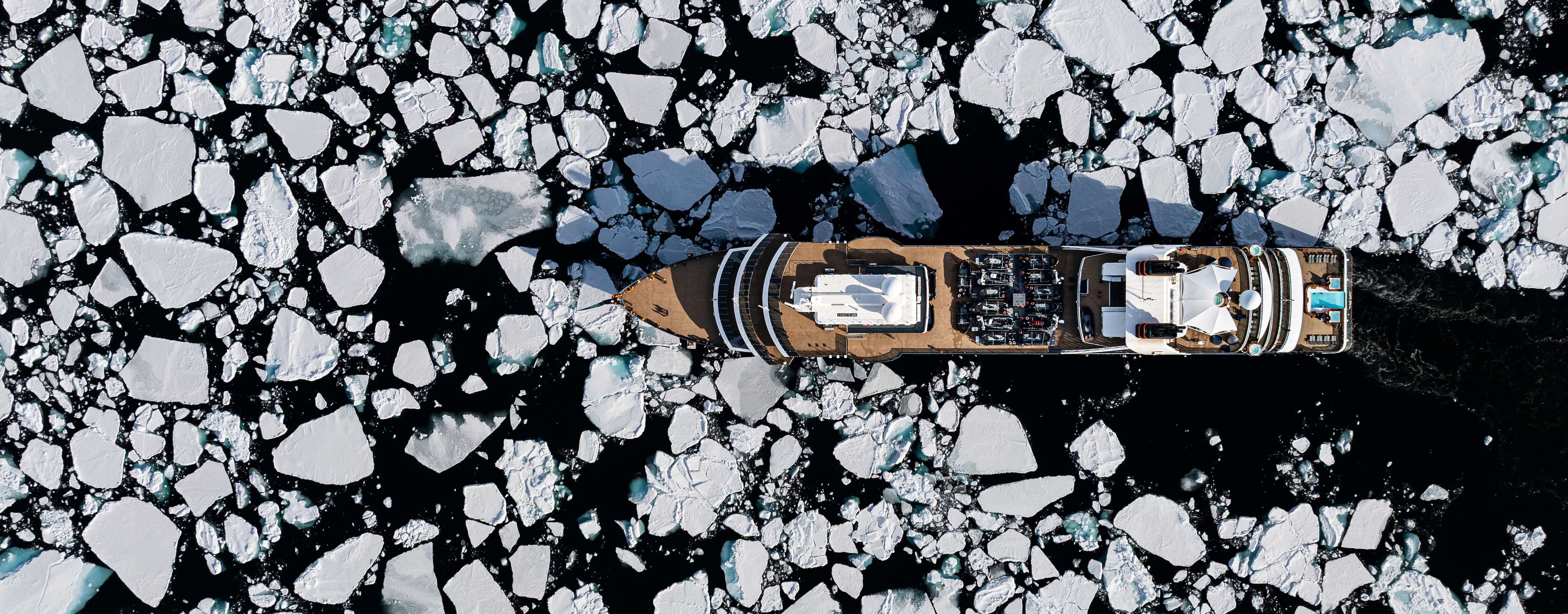
Lindblad Expeditions National Geographic Orion 102 guests
Antarctica Direct: Sail and Fly the Drake Passage
Feb 7, 2029 – Feb 17, 2029 · 10 days
1,000 departures across 14 operators and 39 ships
411 upcoming Antarctic expeditions with Antarctic Sound on the route, from $9,895 per person.
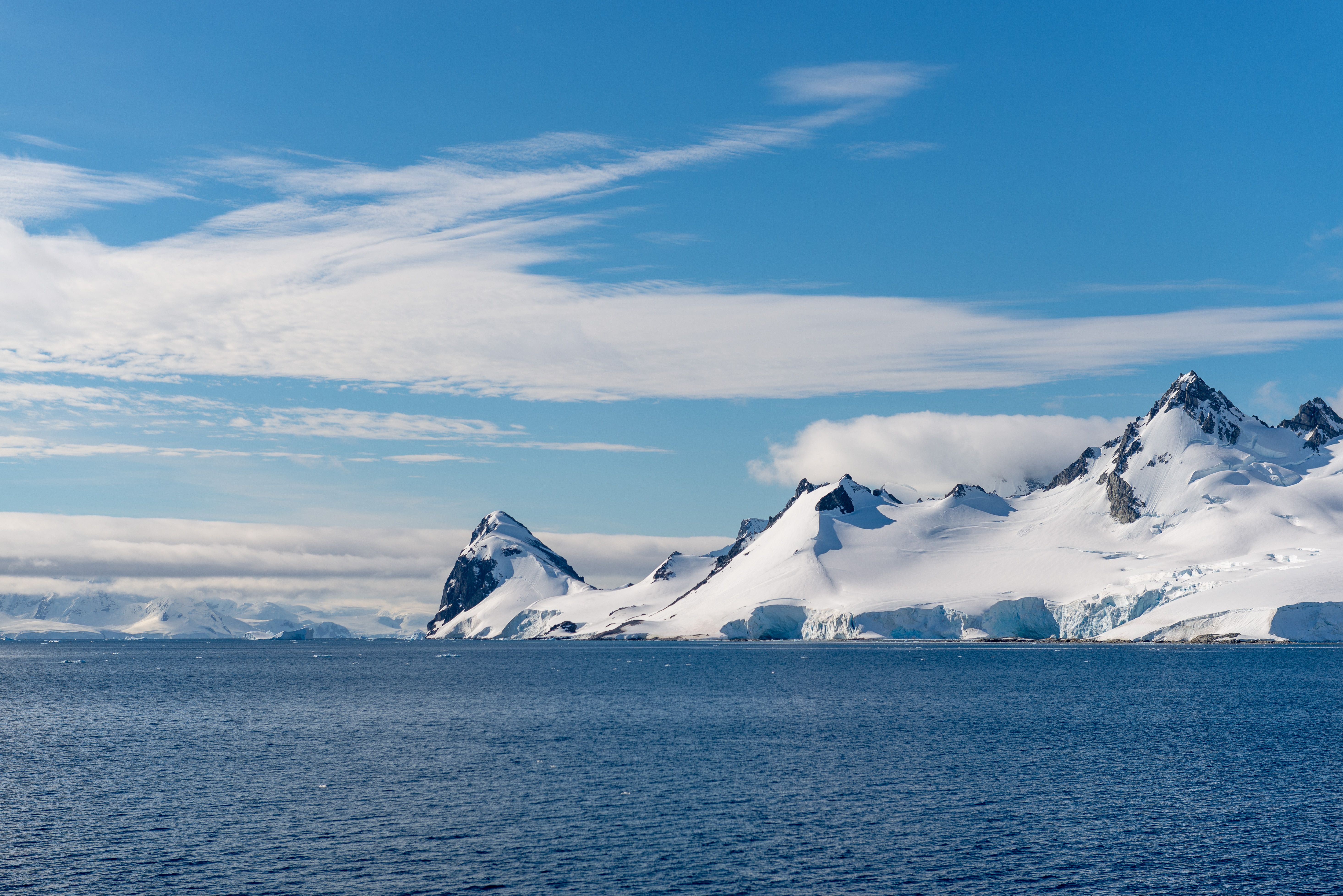
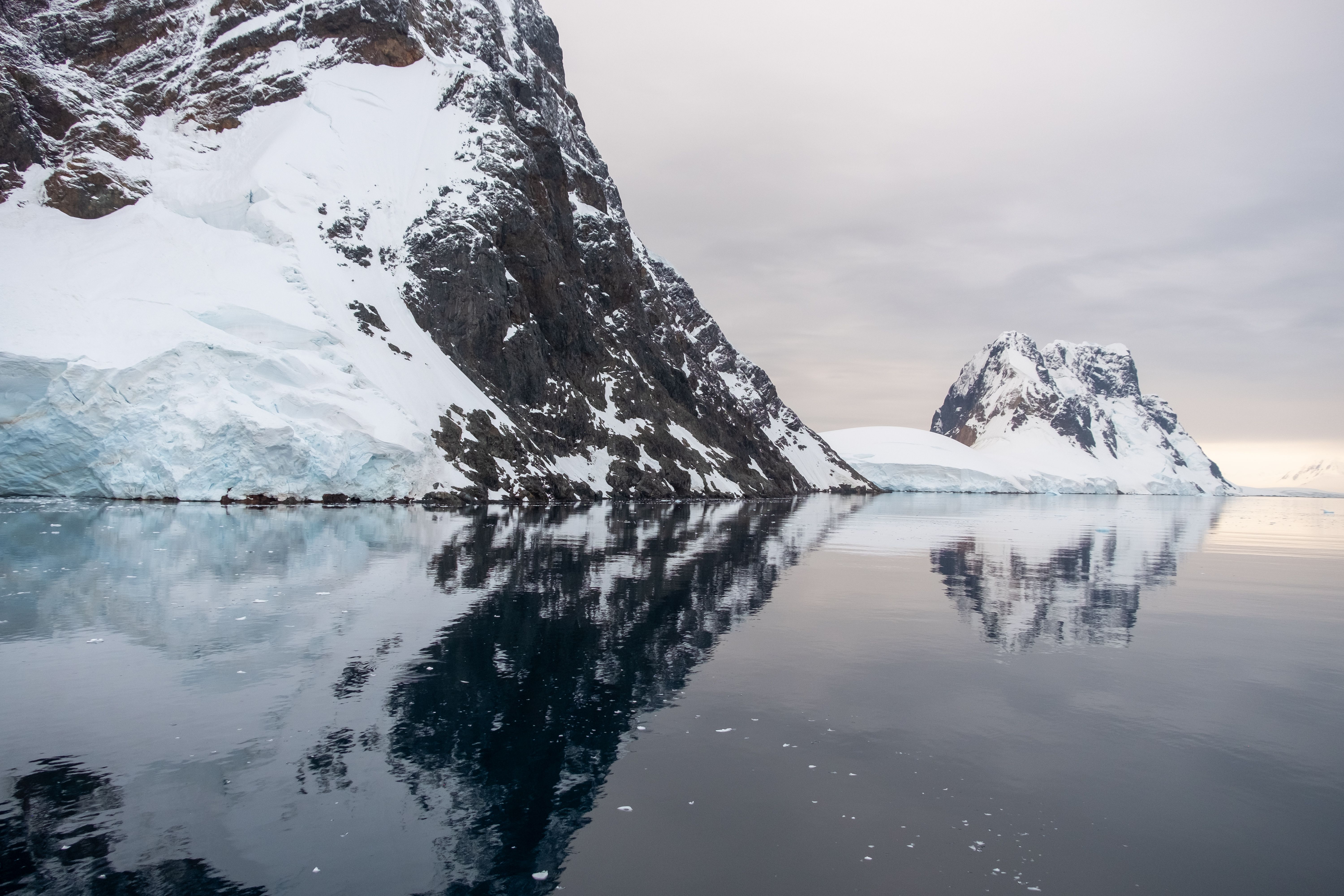
The Antarctic Sound, at the Peninsula's northern tip, is "iceberg alley" — the corridor where giant tabular bergs drift out of the Weddell Sea. Sailing among them is one of the great spectacles of any voyage.
The Sound also hosts some of Antarctica's biggest Adélie rookeries: Paulet Island and Brown Bluff shelter hundreds of thousands of pairs beneath basalt cliffs.
Lindblad Expeditions National Geographic Orion 102 guests
Feb 7, 2029 – Feb 17, 2029 · 10 days
Lindblad Expeditions National Geographic Explorer 148 guests
Feb 7, 2029 – Feb 17, 2029 · 10 days
Silversea Cruises Silver Wind 274 guests
Feb 7, 2029 – Feb 13, 2029 · 6 days
King George Island
Seabourn Seabourn Venture 264 guests
Feb 7, 2029 – Feb 18, 2029 · 11 days
Buenos Aires
Silversea Cruises Silver Cloud 200 guests
Feb 11, 2029 – Feb 26, 2029 · 18 days
Puerto Williams
Silversea Cruises Silver Wind 274 guests
Feb 13, 2029 – Feb 22, 2029 · 9 days
King George Island
Lindblad Expeditions National Geographic Orion 102 guests
Feb 15, 2029 – Feb 23, 2029 · 9 days
Lindblad Expeditions National Geographic Explorer 148 guests
Feb 15, 2029 – Feb 25, 2029 · 10 days
Seabourn Seabourn Venture 264 guests
Feb 17, 2029 – Feb 28, 2029 · 11 days
Buenos Aires
Lindblad Expeditions National Geographic Resolution 138 guests
Feb 18, 2029 – Mar 1, 2029 · 12 days
Seabourn Seabourn Pursuit 264 guests
Feb 18, 2029 – Mar 1, 2029 · 11 days
Buenos Aires
Lindblad Expeditions National Geographic Orion 102 guests
Feb 21, 2029 – Mar 1, 2029 · 9 days
Wildlife
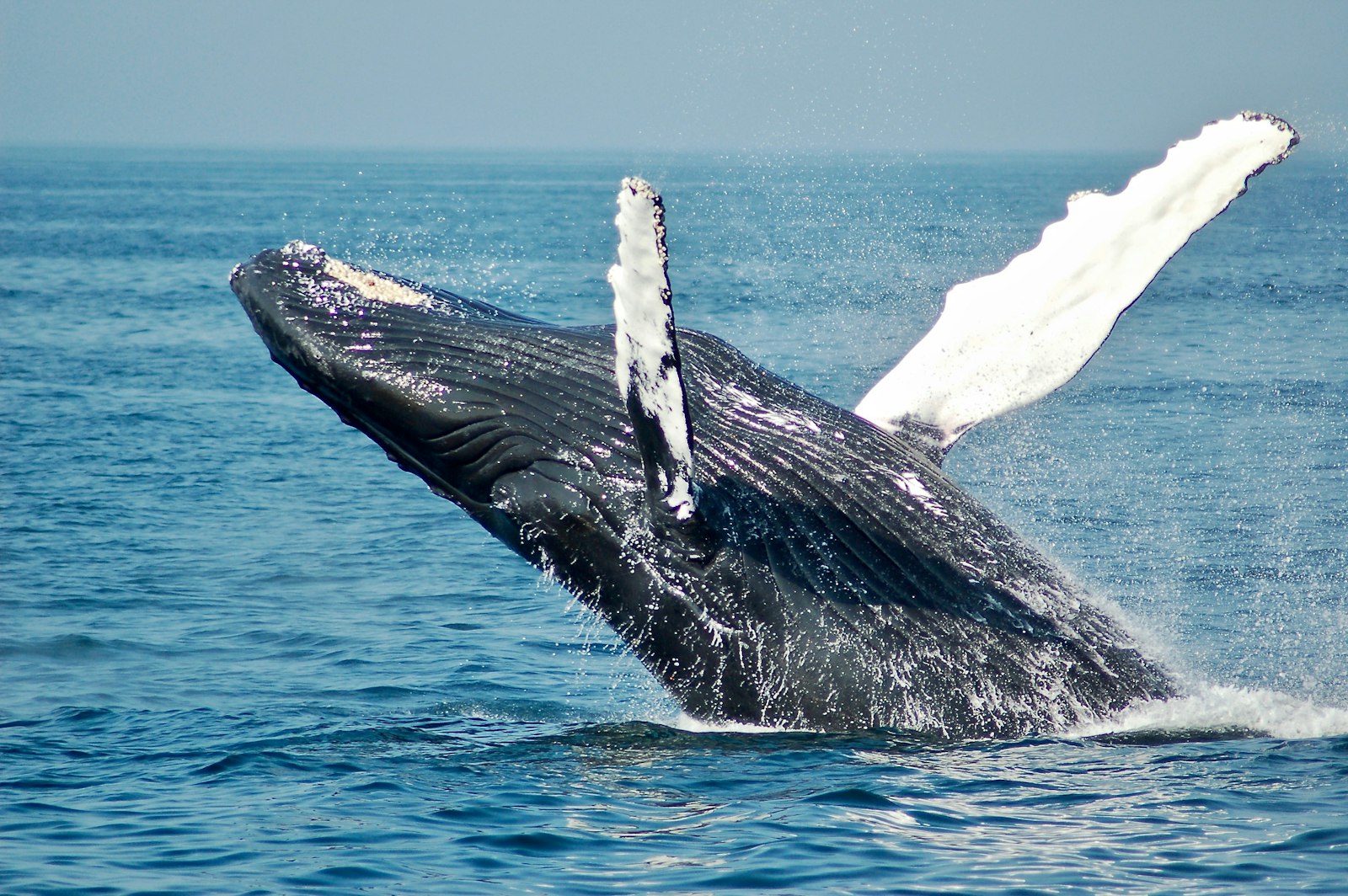
A 14–17 metre baleen whale known for breaching and long pectoral fins, often seen feeding on krill in loose groups along the ice edge.
Wildlife
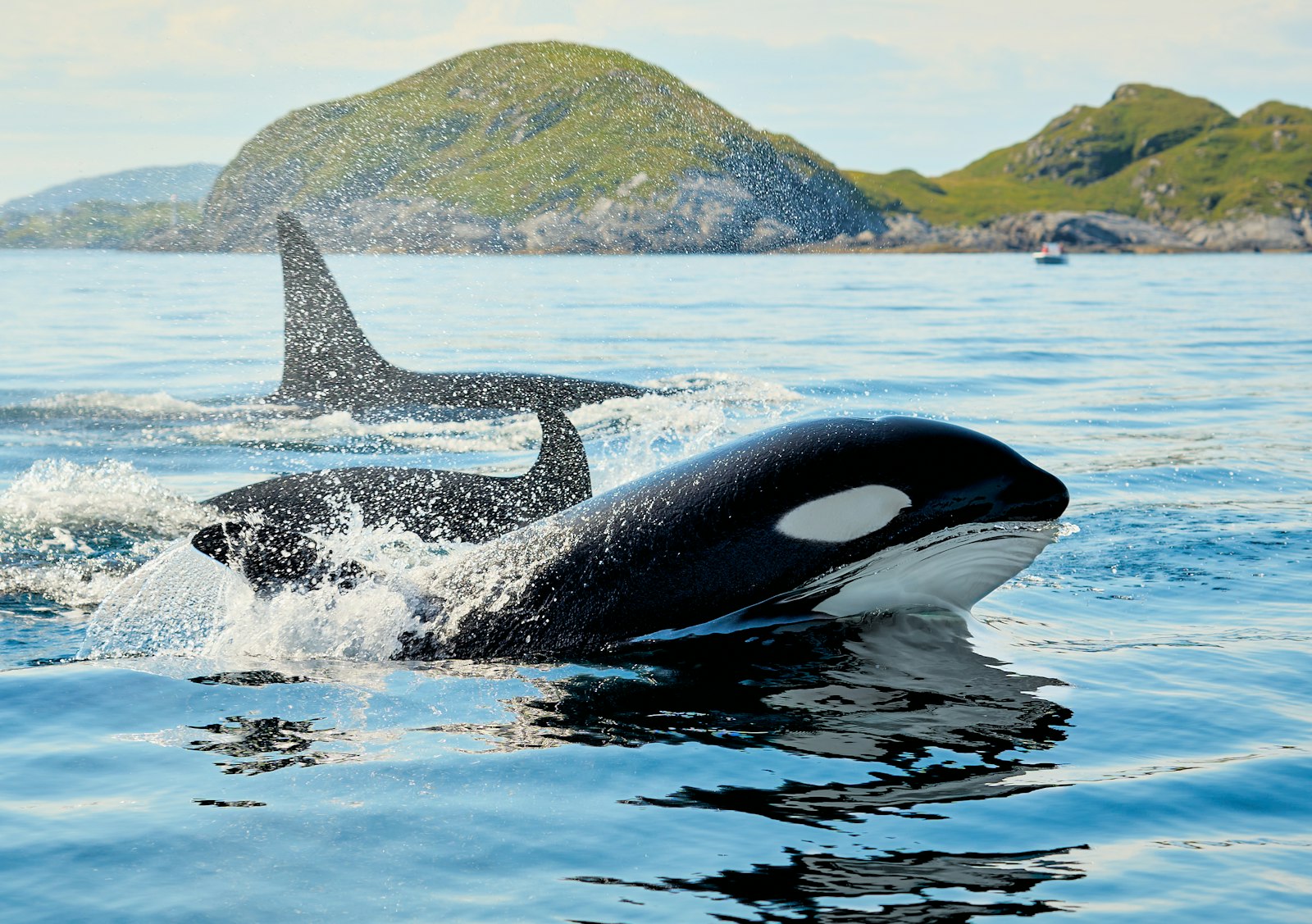
Black and white apex predator instantly recognizable by its pale eye patches, the orca is the largest of the dolphins and one of the ocean's most capable hunters. Sightings often involve a tight-knit family pod working the ice edge together.
Wildlife
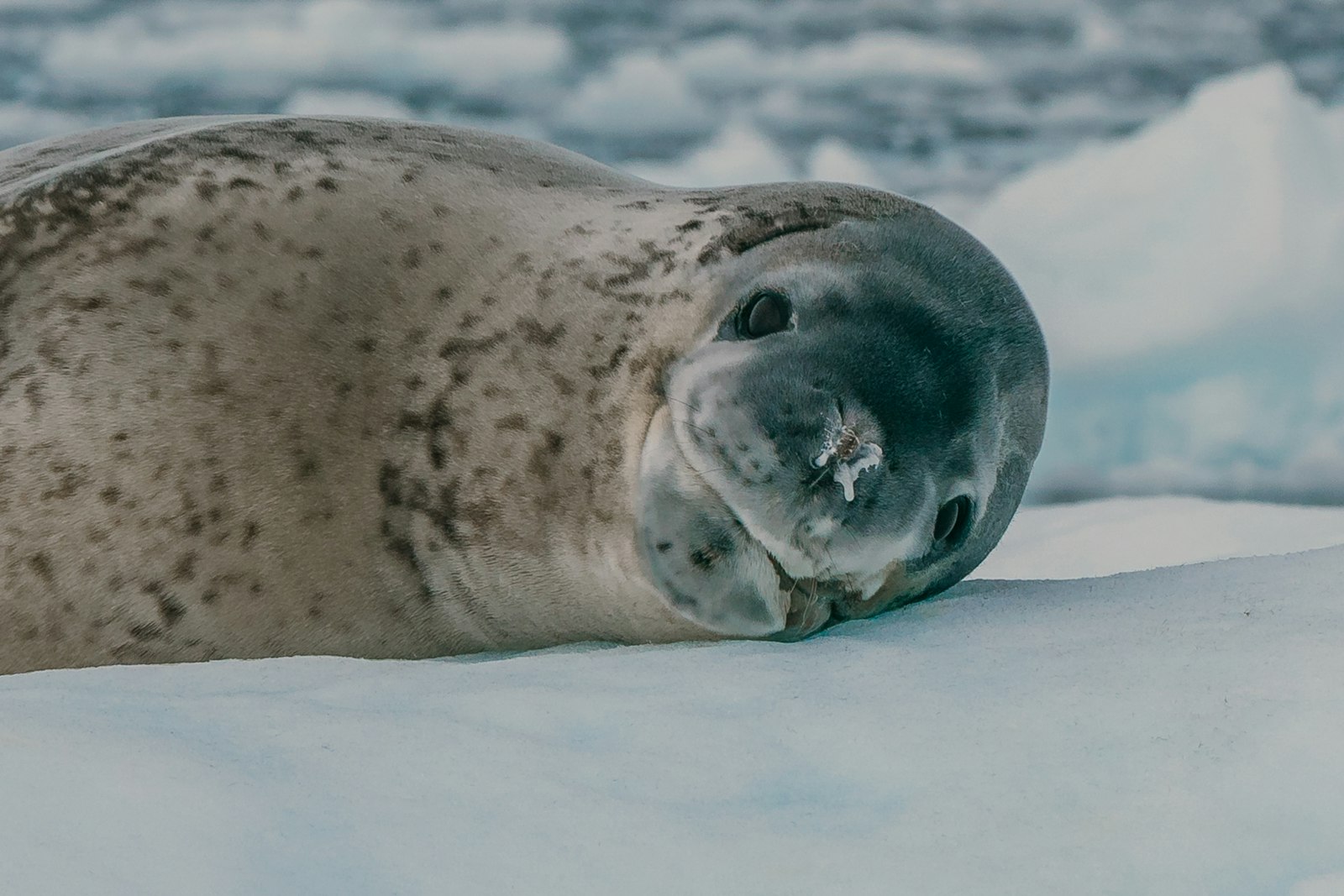
The leopard seal is the Antarctic's second-largest seal after the elephant seal, built long and muscular with a spotted, leopard-like coat. It is the region's top predator, hunting penguins, fish, and even other seals along the ice edge.
Wildlife
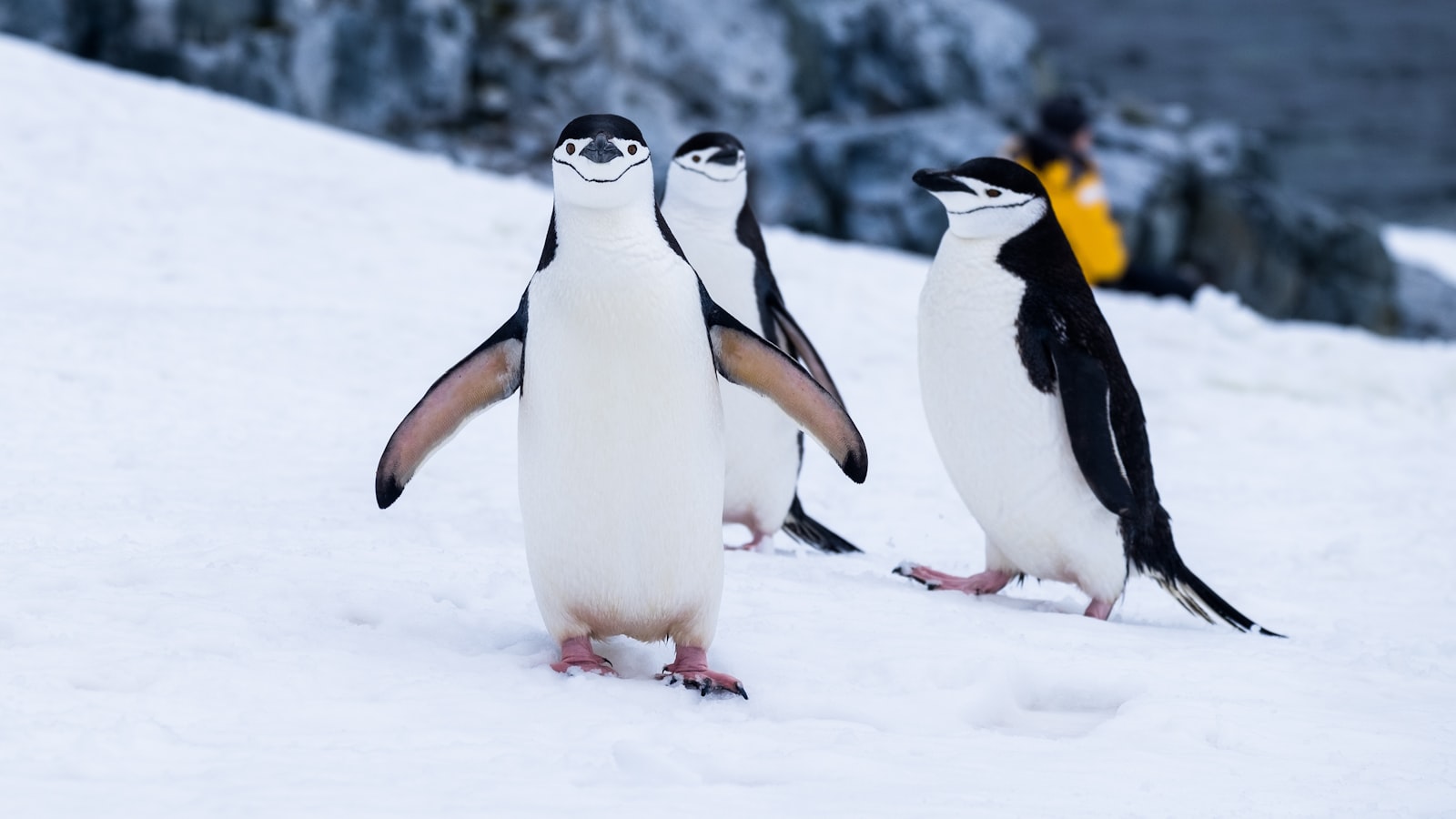
Named for the thin black band under its chin, the chinstrap penguin looks as if it is wearing a helmet. Listen for it before you see it: it has one of the loudest, harshest calls of any penguin.
Wildlife
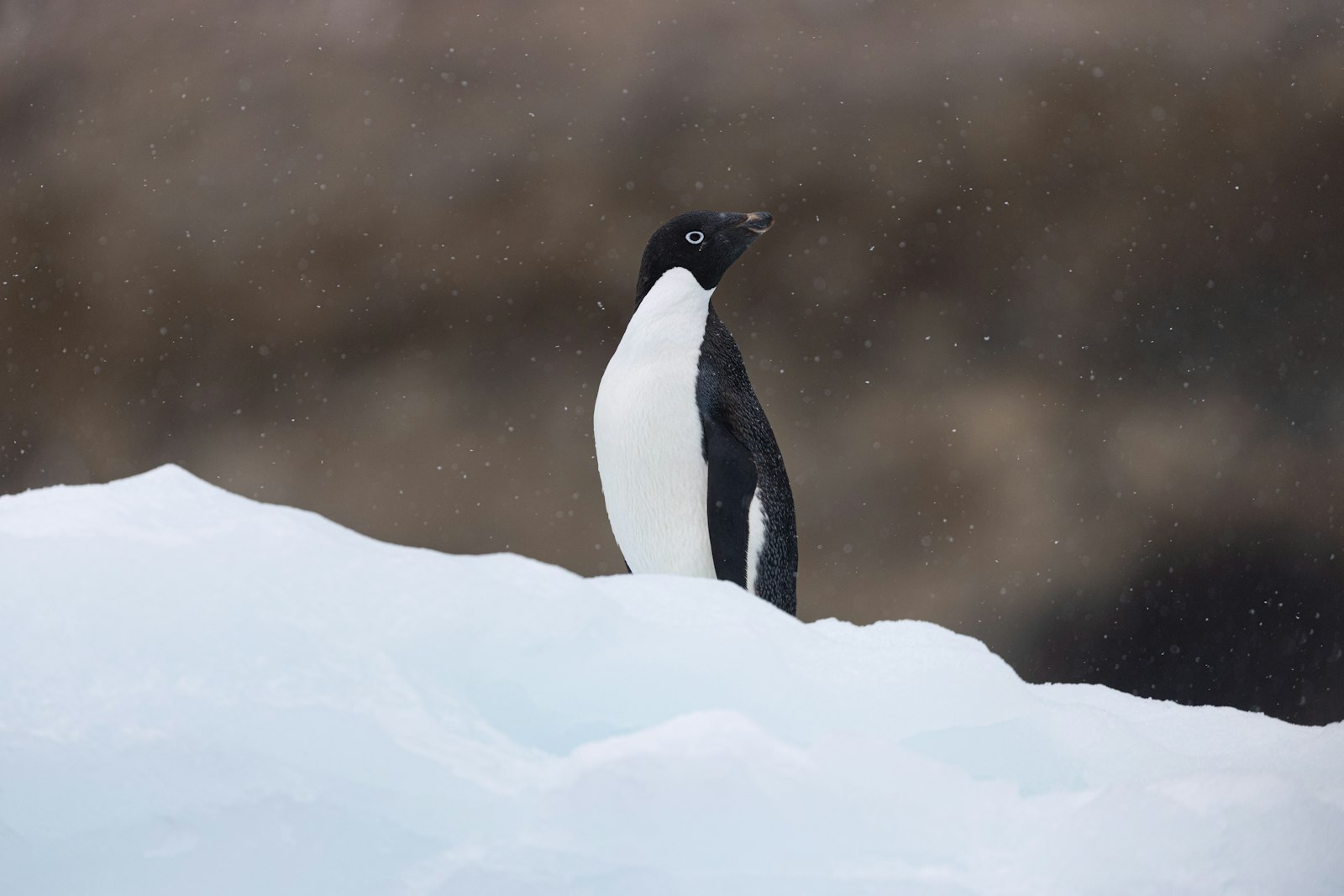
One of the most widespread penguins in Antarctica, the Adélie is often the first tuxedoed local guests meet ashore. Its stark white eye-ring and brisk, purposeful waddle make it easy to pick out along the ice edge.
Wildlife
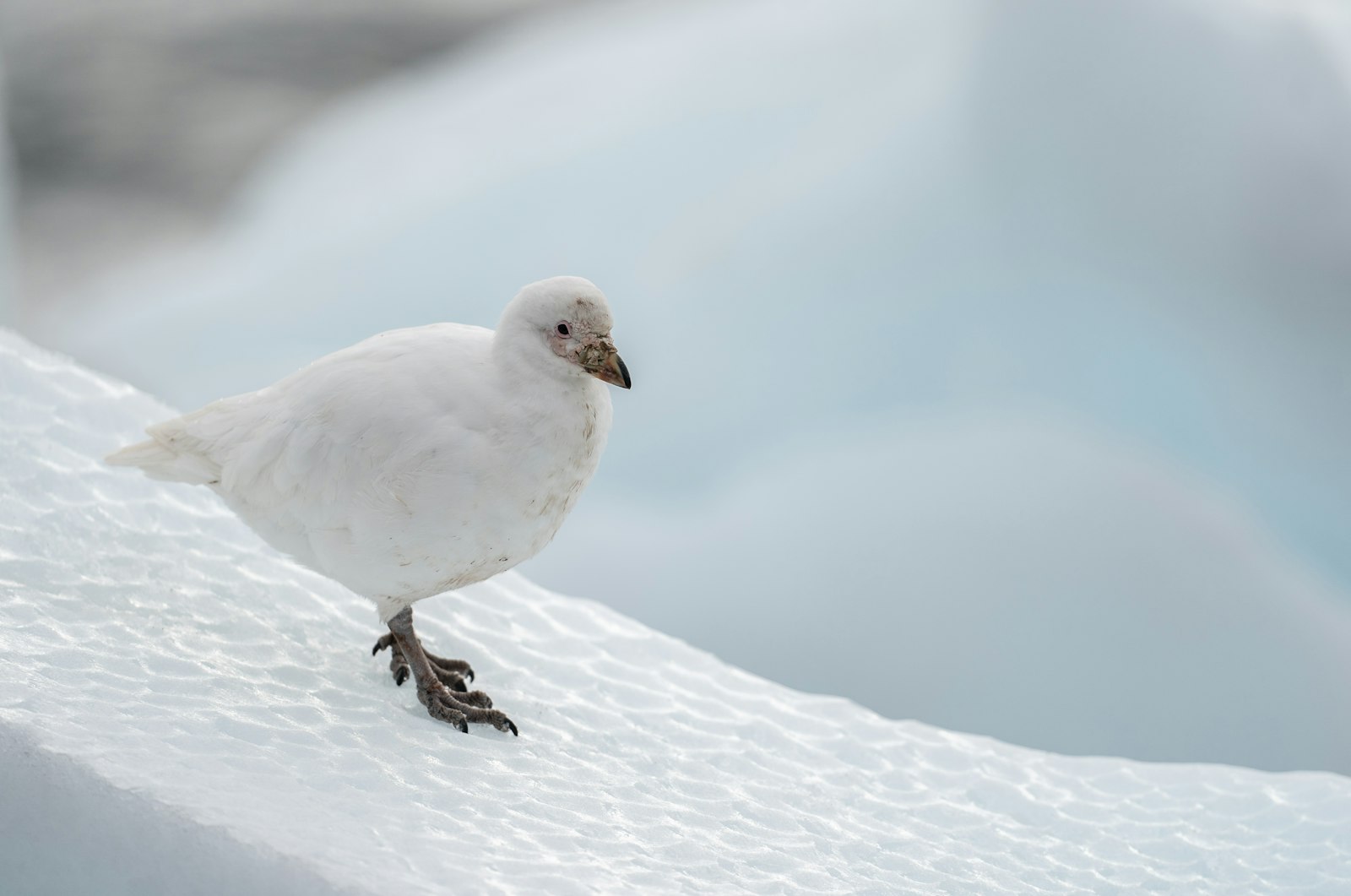
The snow petrel is one of only three bird species ever recorded at the Geographic South Pole, and it holds the record for the most southerly breeding sites of any bird. Pure white against dark rock and ice, it is unmistakable and easy to pick out from a moving ship.
Wildlife
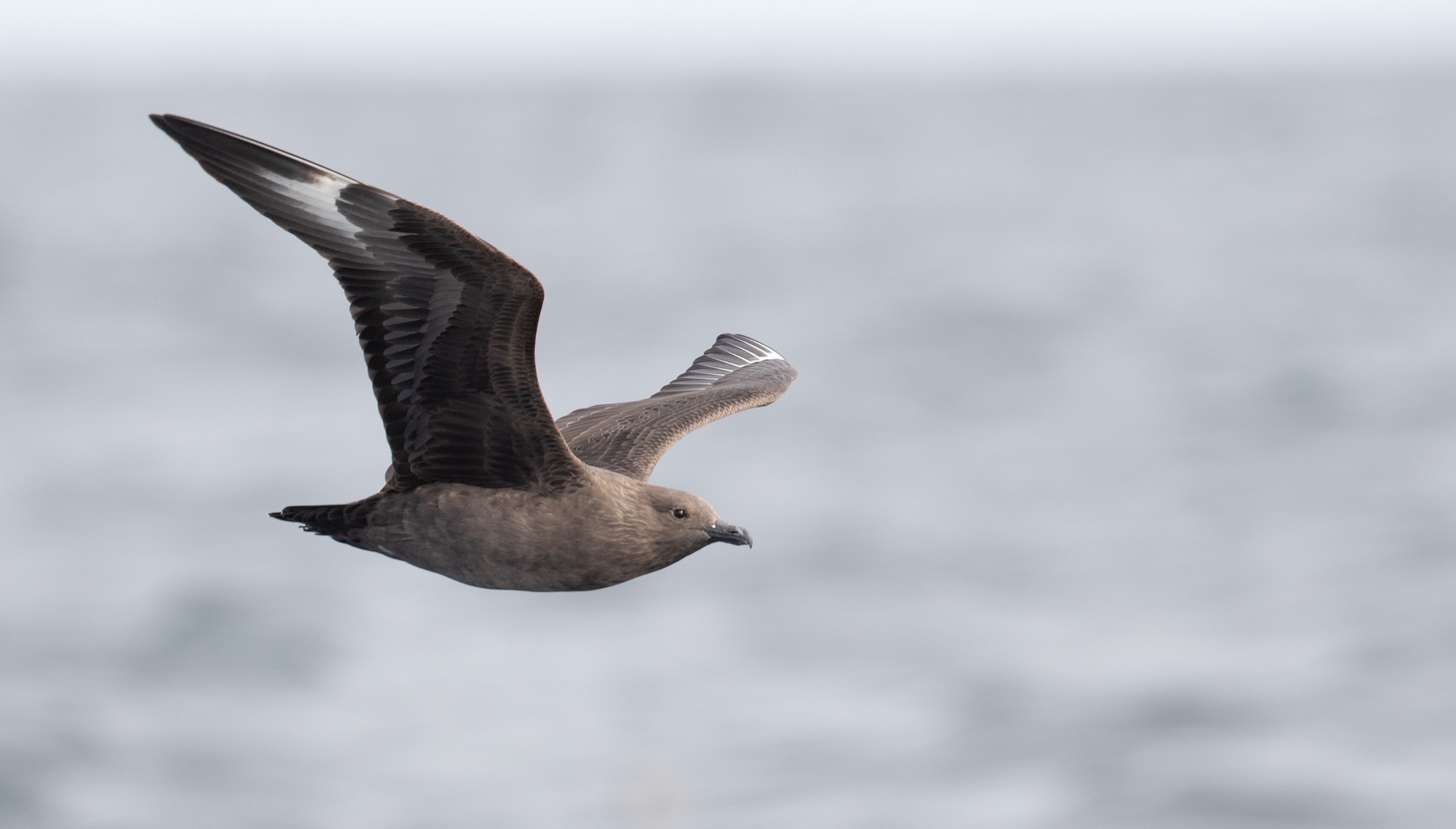
A large, heavy-built seabird of the skua family, the south polar skua ranges the Southern Ocean and its ice edges with an unmistakable, gull-like silhouette. Its older name, MacCormick's skua, recalls the naval surgeon who collected the first specimen.
Wildlife
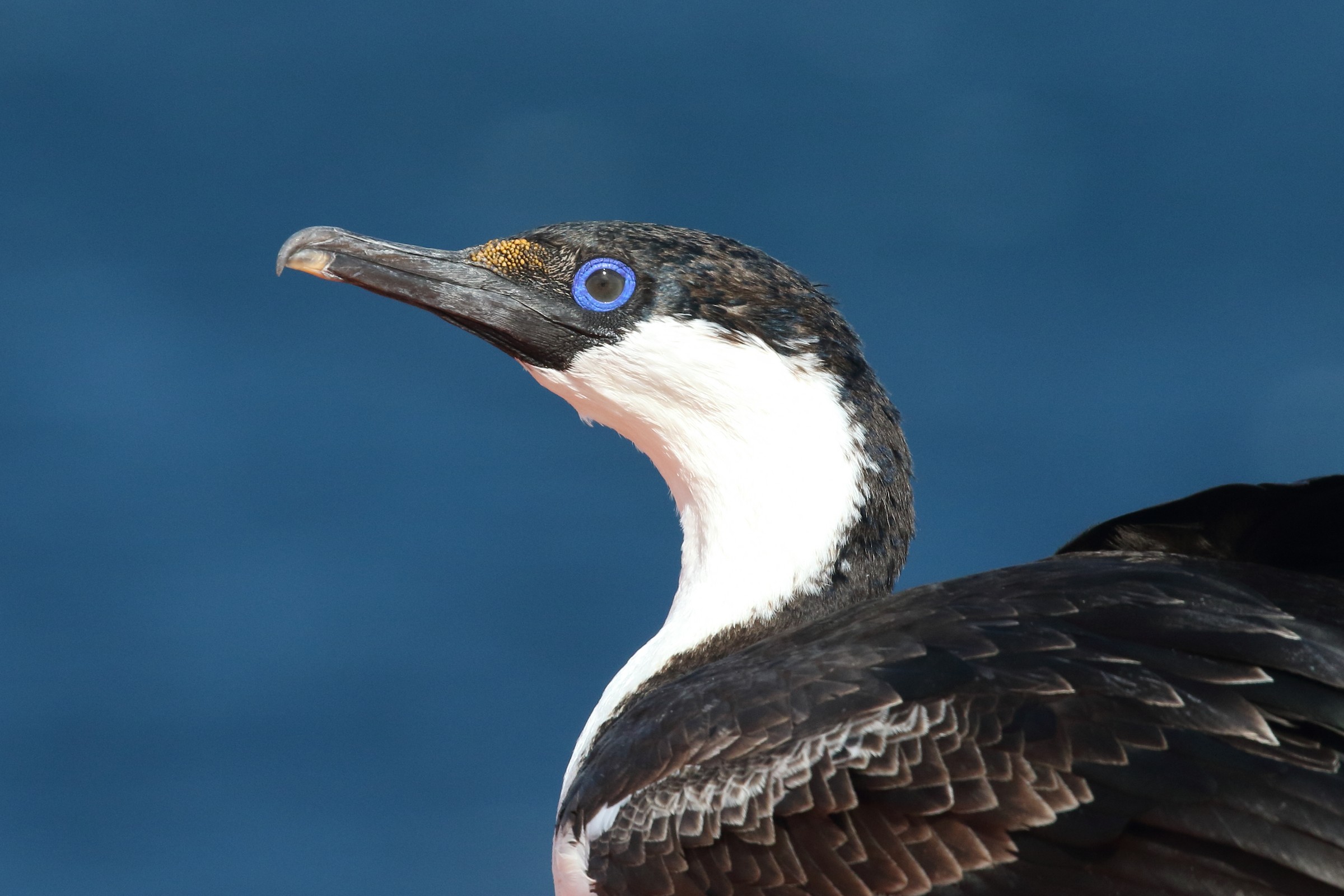
The Antarctic shag is the only cormorant species found on the continent, easy to pick out by its blue-ringed eyes as it stands stiffly upright on ice floes and coastal cliffs. It nests in small colonies apart from the penguin rookeries along rocky shorelines.