Oceanwide Expeditions m/v Plancius 108 guests
Atlantic Odyssey, excl. Antarctic Peninsula
Mar 30, 2028 – Apr 22, 2028 · 24 days
Ushuaia
1,000 departures across 14 operators and 39 ships
862 upcoming Antarctic expeditions with Drake Passage on the route, from $5,995 per person.
The 800 km of open ocean between Cape Horn and the South Shetlands is the classic gateway to Antarctica — roughly 48 hours each way. It can be the notorious "Drake Shake" or a gentle "Drake Lake"; either way, modern expedition ships with stabilisers cross it routinely.
Sea days are far from empty: wandering albatrosses shadow the ship, lectures run all day, and the first iceberg on the horizon is a moment nobody forgets. Prone to seasickness? Fly-cruise itineraries skip the crossing entirely.
Oceanwide Expeditions m/v Plancius 108 guests
Mar 30, 2028 – Apr 22, 2028 · 24 days
Ushuaia
Oceanwide Expeditions m/v Plancius 108 guests
Mar 30, 2028 – May 2, 2028 · 34 days
Ushuaia
Seabourn Seabourn Pursuit 264 guests
Oct 2, 2028 – Nov 9, 2028 · 38 days
Oranjestad, Aruba
Quark Expeditions Ultramarine 199 guests
Oct 12, 2028 – Oct 31, 2028 · 20 days
Buenos Aires, Argentina
Quark Expeditions Ocean Explorer 138 guests
Oct 13, 2028 – Nov 1, 2028 · 20 days
Buenos Aires, Argentina
Lindblad Expeditions National Geographic Resolution 138 guests
Oct 14, 2028 – Oct 25, 2028 · 12 days
Seabourn Seabourn Pursuit 264 guests
Oct 18, 2028 – Nov 9, 2028 · 22 days
Valparaiso (Santiago), Chile
Lindblad Expeditions National Geographic Explorer 148 guests
Oct 23, 2028 – Nov 12, 2028 · 21 days
Lindblad Expeditions National Geographic Resolution 138 guests
Oct 24, 2028 – Nov 4, 2028 · 12 days
Seabourn Seabourn Venture 264 guests
Oct 26, 2028 – Nov 20, 2028 · 25 days
Rio de Janeiro, Brazil
Secret Atlas Aureum 36 guests
Oct 28, 2028 – Nov 16, 2028 · 19 days
Port Stanley, Falkland Islands
Secret Atlas Aureum 36 guests
Oct 28, 2028 – Nov 15, 2028 · 19 days
Port Stanley, Falkland Islands
Wildlife
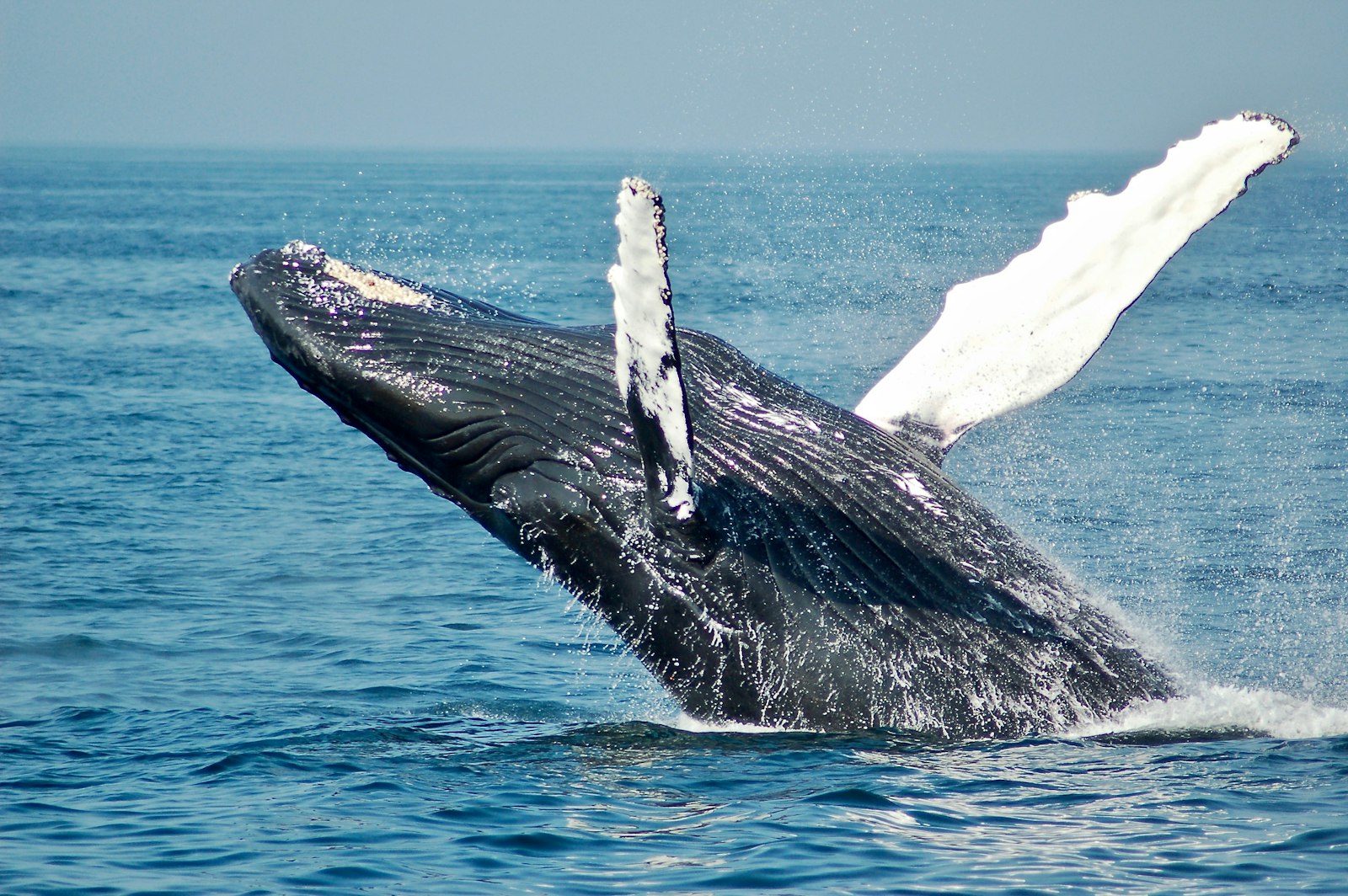
A 14–17 metre baleen whale known for breaching and long pectoral fins, often seen feeding on krill in loose groups along the ice edge.
Wildlife
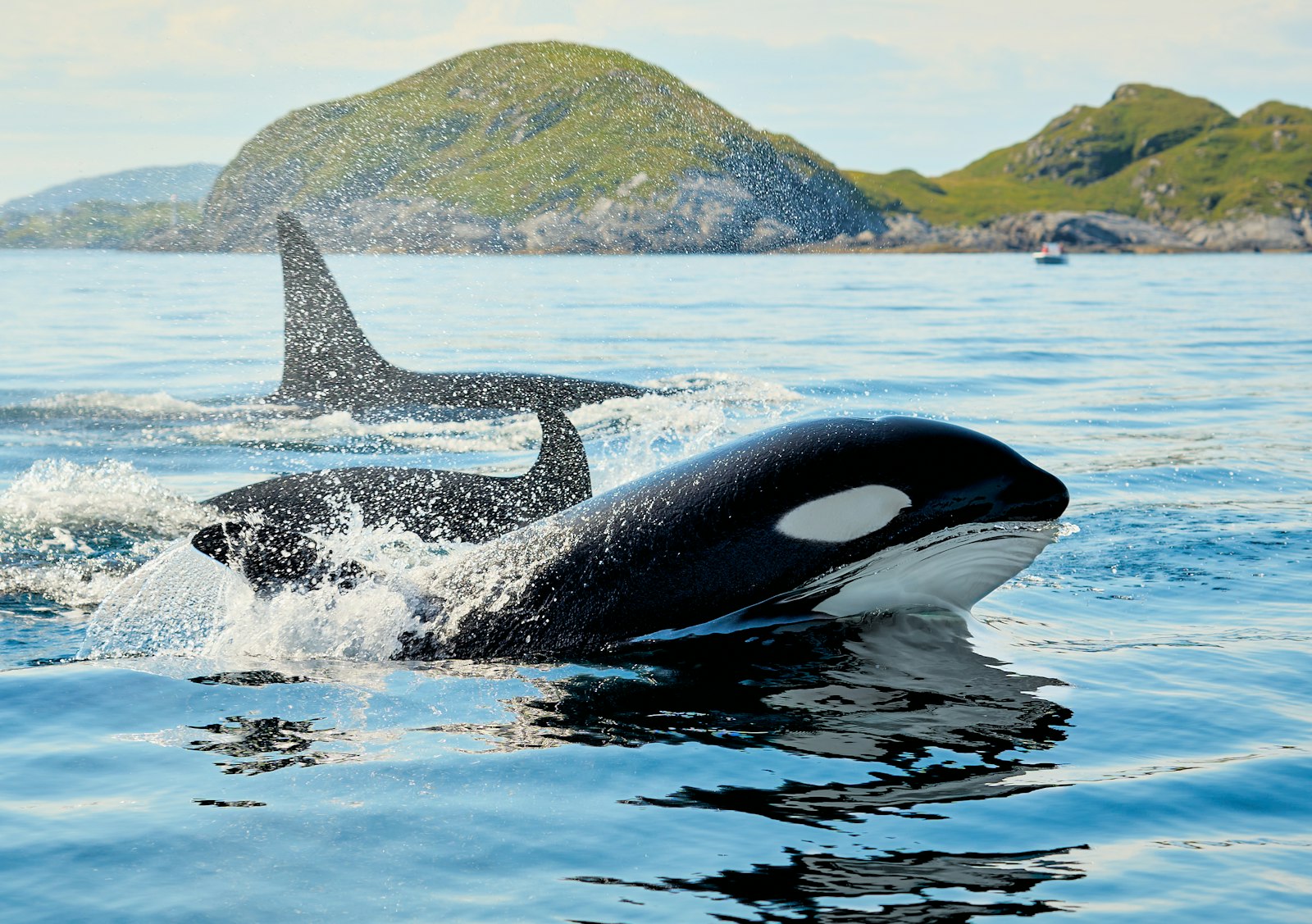
Black and white apex predator instantly recognizable by its pale eye patches, the orca is the largest of the dolphins and one of the ocean's most capable hunters. Sightings often involve a tight-knit family pod working the ice edge together.
Wildlife
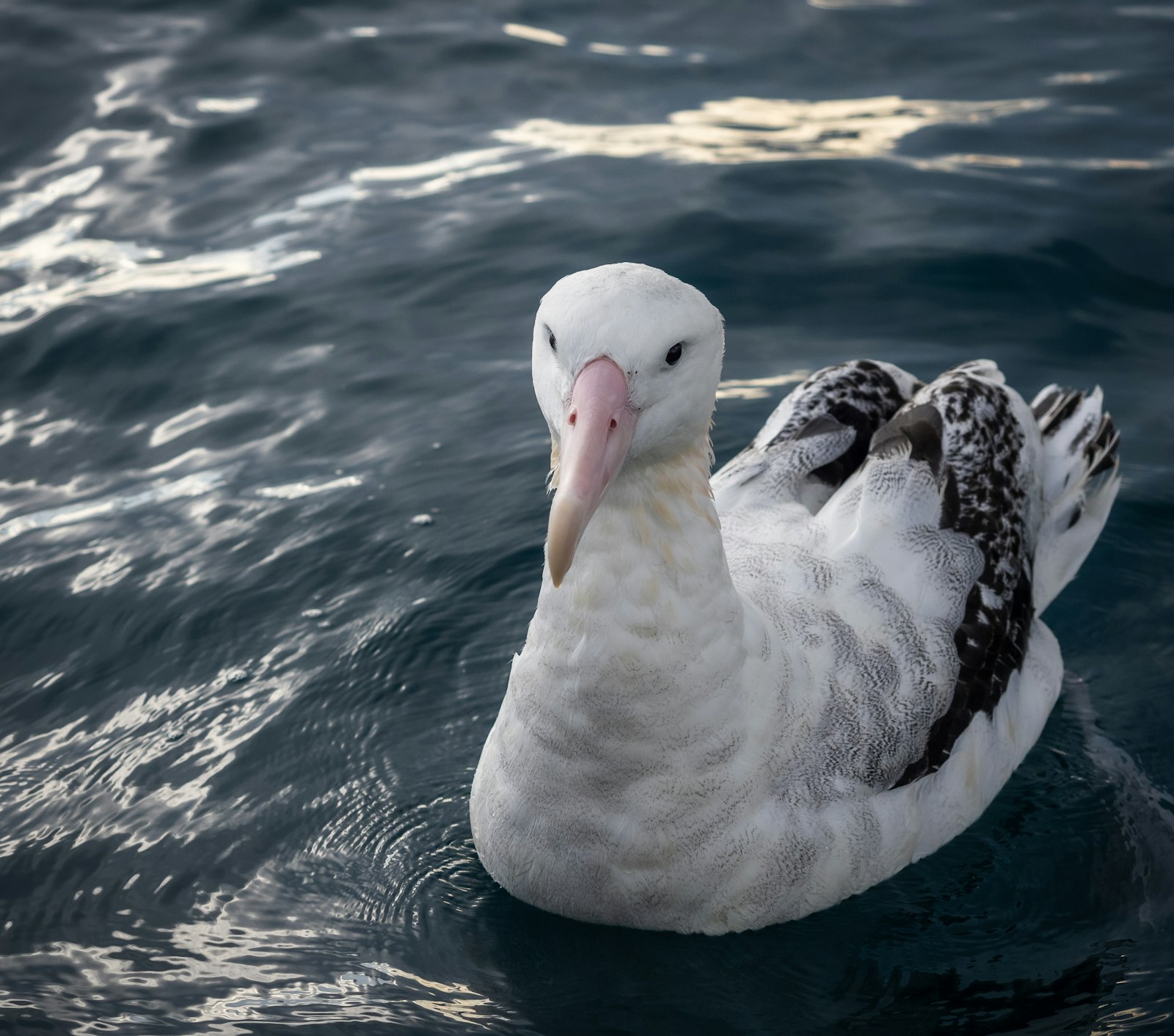
The snowy albatross, better known as the wandering albatross, has the widest wingspan of any living bird alive today. Watch for it riding the wind for hours behind the ship without a single wingbeat.
Wildlife
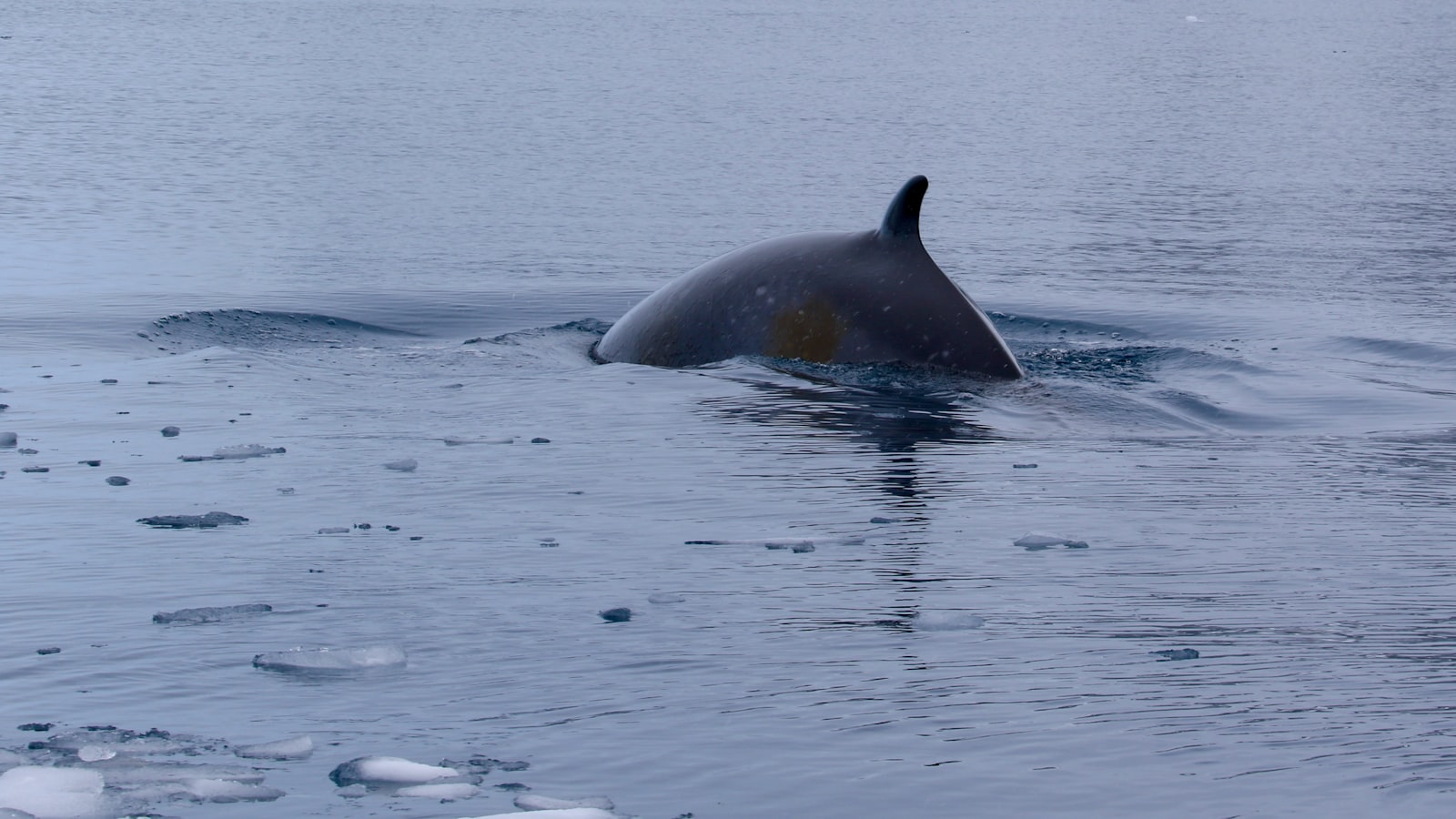
The Antarctic minke is a small, fast-moving rorqual, the most abundant baleen whale on Earth, though singles and pairs still take some looking to spot. It surfaces briefly among the pack ice, more often glimpsed than watched.
Wildlife
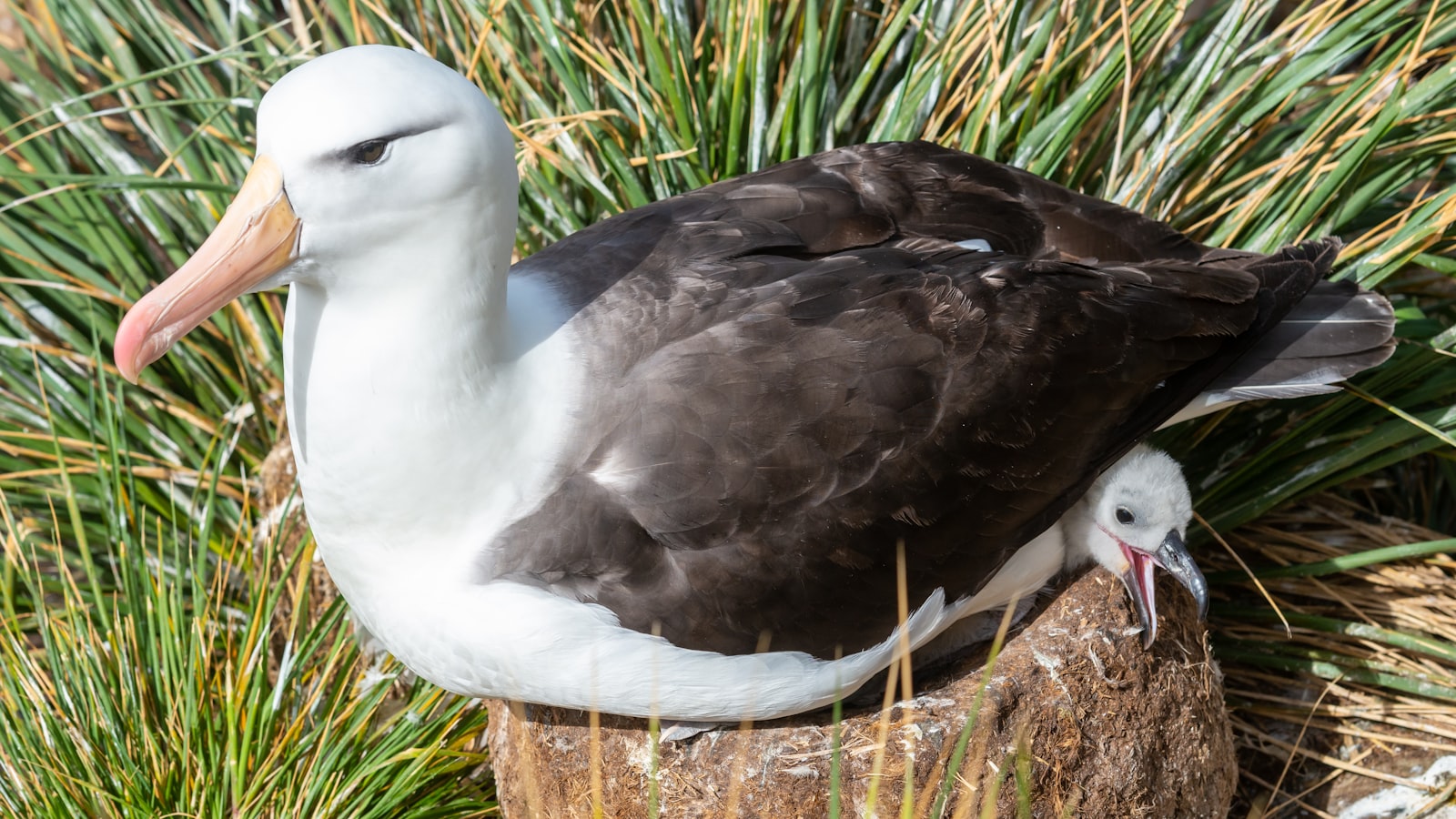
A large seabird of the albatross family, the black-browed albatross is the most widespread and common of all albatrosses. Its dark eye-stripe makes it one of the easiest albatrosses to pick out from a rolling deck.
Wildlife
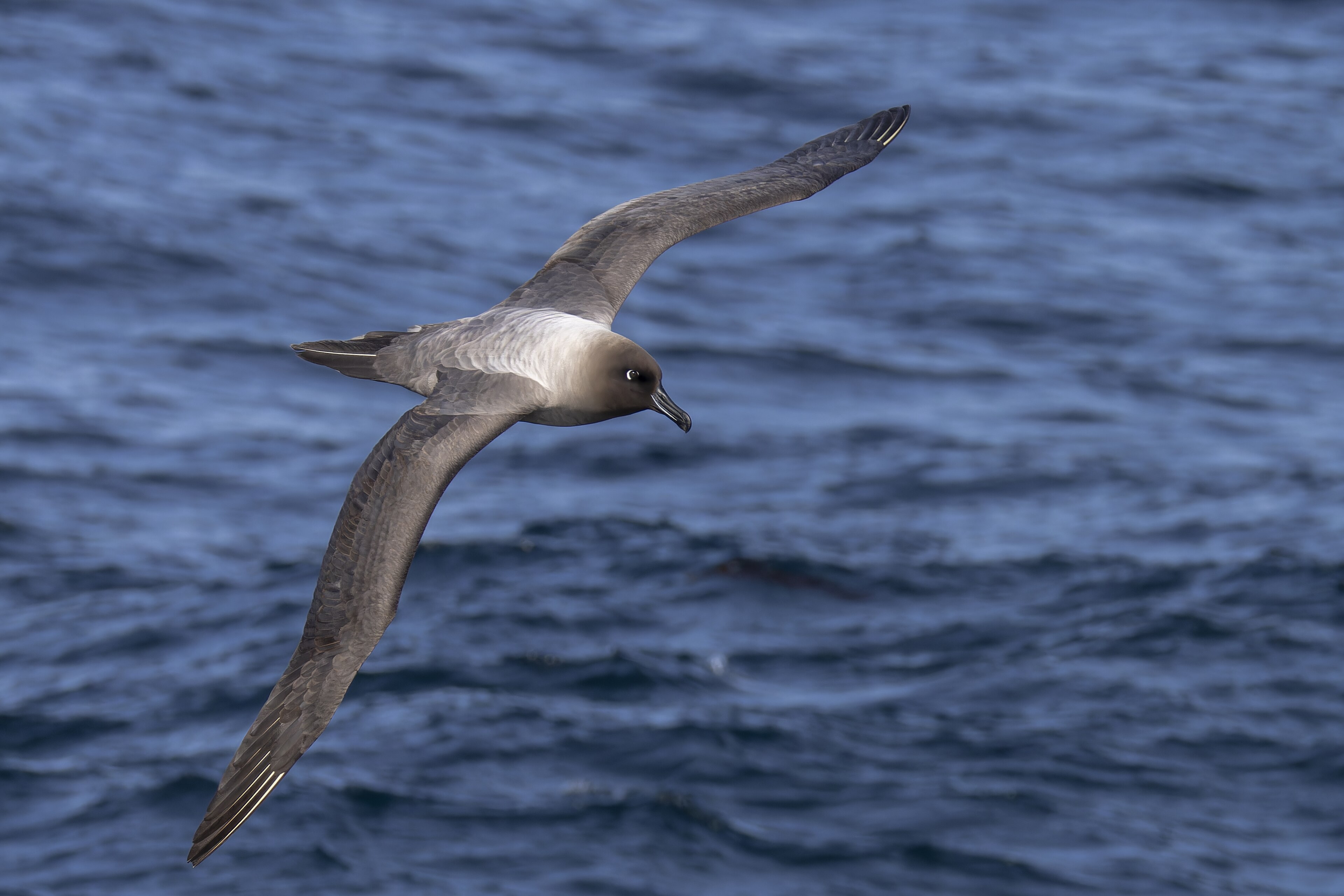
A small, sooty-grey albatross of the genus Phoebetria, first described from a specimen collected south of the Cape of Good Hope in 1785. Watch for its slow, buoyant glide along cliff faces and in the wake of ships crossing the Southern Ocean.
Wildlife
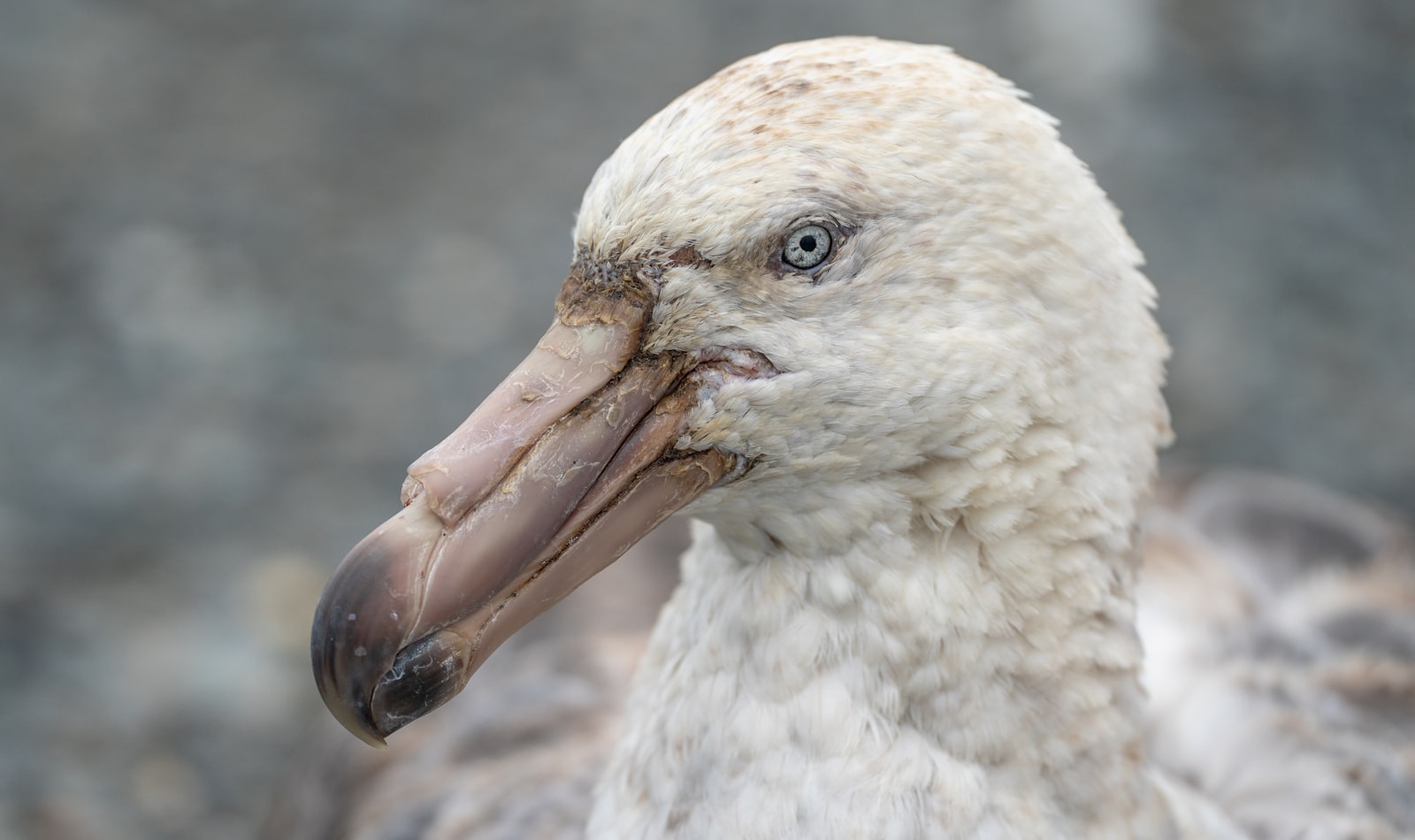
A large seabird of the southern oceans, also called the Antarctic giant petrel, giant fulmar or simply the stinker. Its range overlaps broadly with the near-identical northern giant petrel, the two told apart chiefly by the colour of the bill-tip.
Wildlife
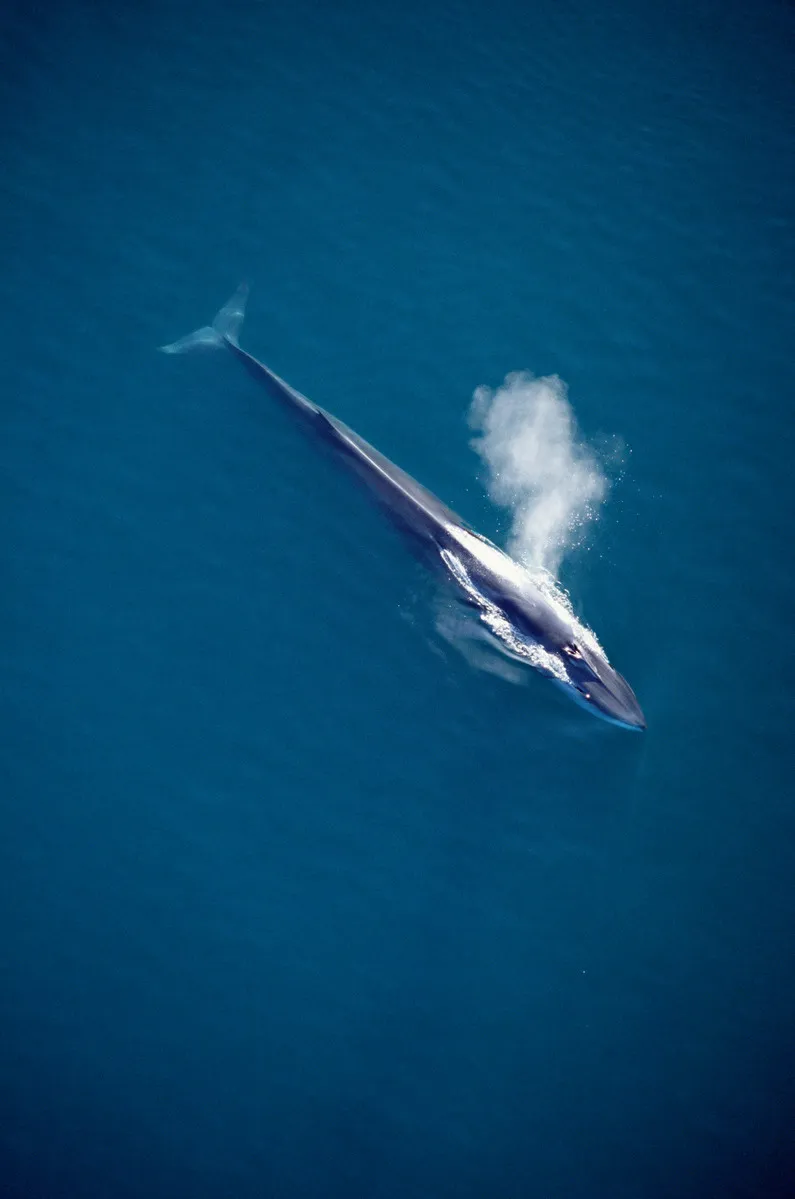
The fin whale is the second-longest animal on Earth after the blue whale, reaching up to 27 metres. Its long, slender, countershaded body is most often seen slicing through open water rather than breaching.
Wildlife
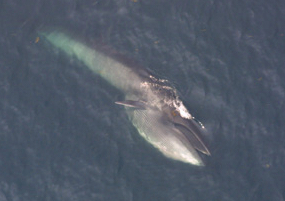
The sei whale is the third-largest rorqual after the blue and fin whale, and one of the fastest cetaceans afloat, capable of short bursts near 50 km/h. It favours deep offshore water, so a sighting on the crossing south is a genuine bonus rather than a certainty.
Wildlife
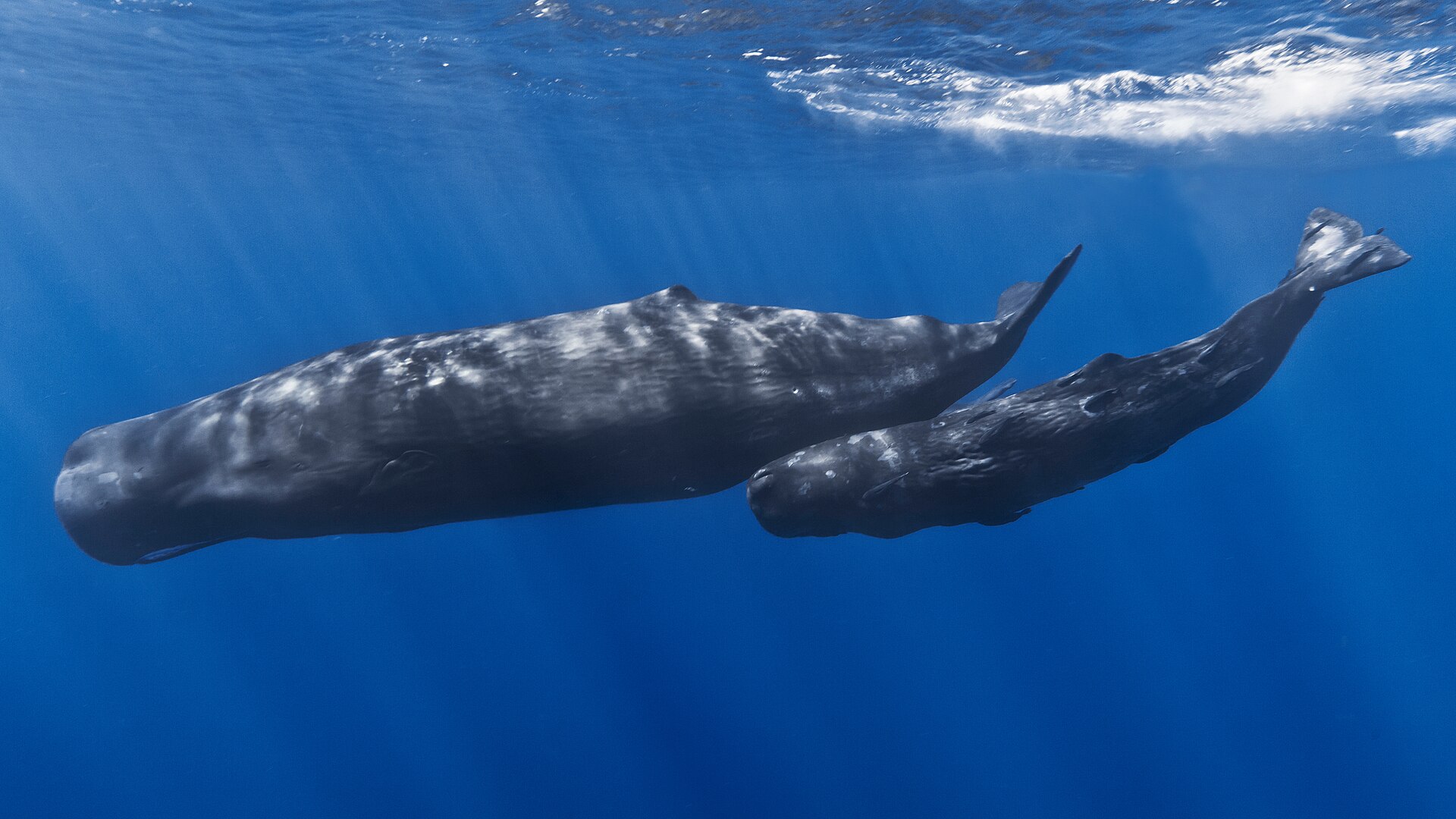
The sperm whale is the largest toothed predator on Earth, hunting giant squid at depths few other mammals reach. Its blunt, box-shaped head holds the largest brain of any animal.
Wildlife
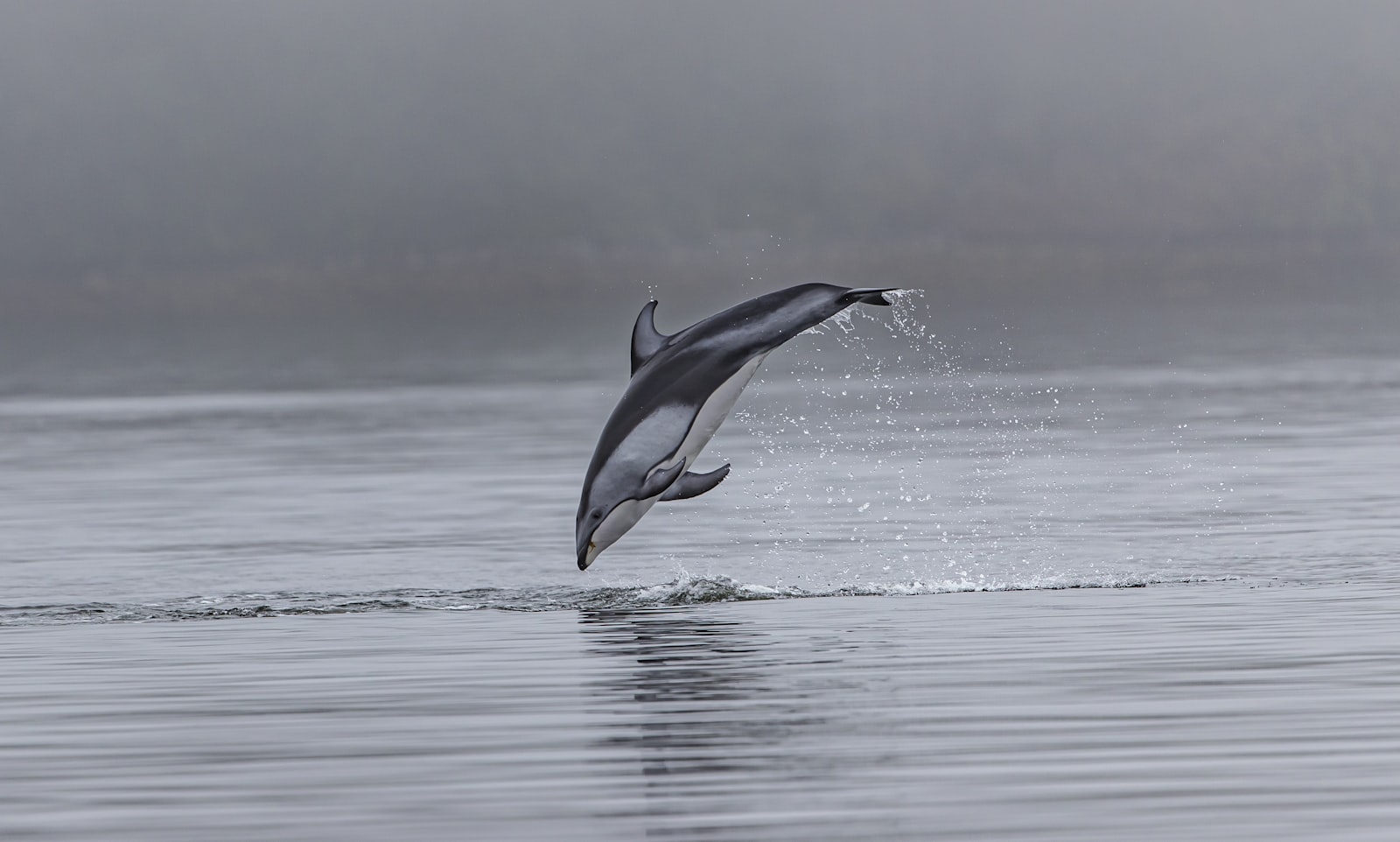
A small, fast-moving dolphin of the open Southern Ocean, most often glimpsed as a flash of black and white alongside the ship's bow. It has a circumpolar range but is best known to travellers for its habit of appearing mid-crossing, far from any coast.
Wildlife
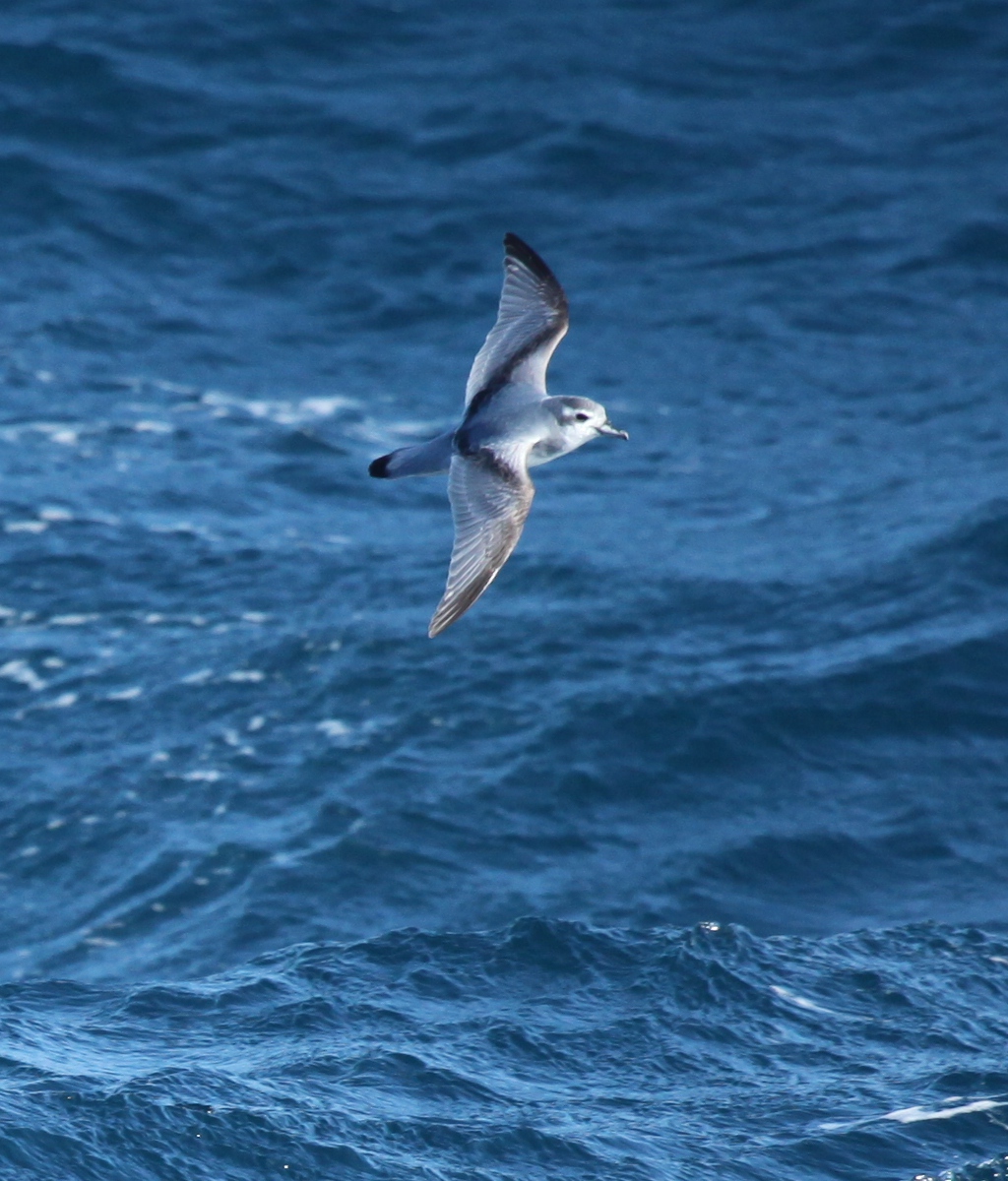
The Antarctic prion is the largest of the prions, a group of small Southern Ocean petrels sometimes called dove prions. Watch for loose flocks wheeling low over the swell as your ship crosses open water between landings.
Wildlife
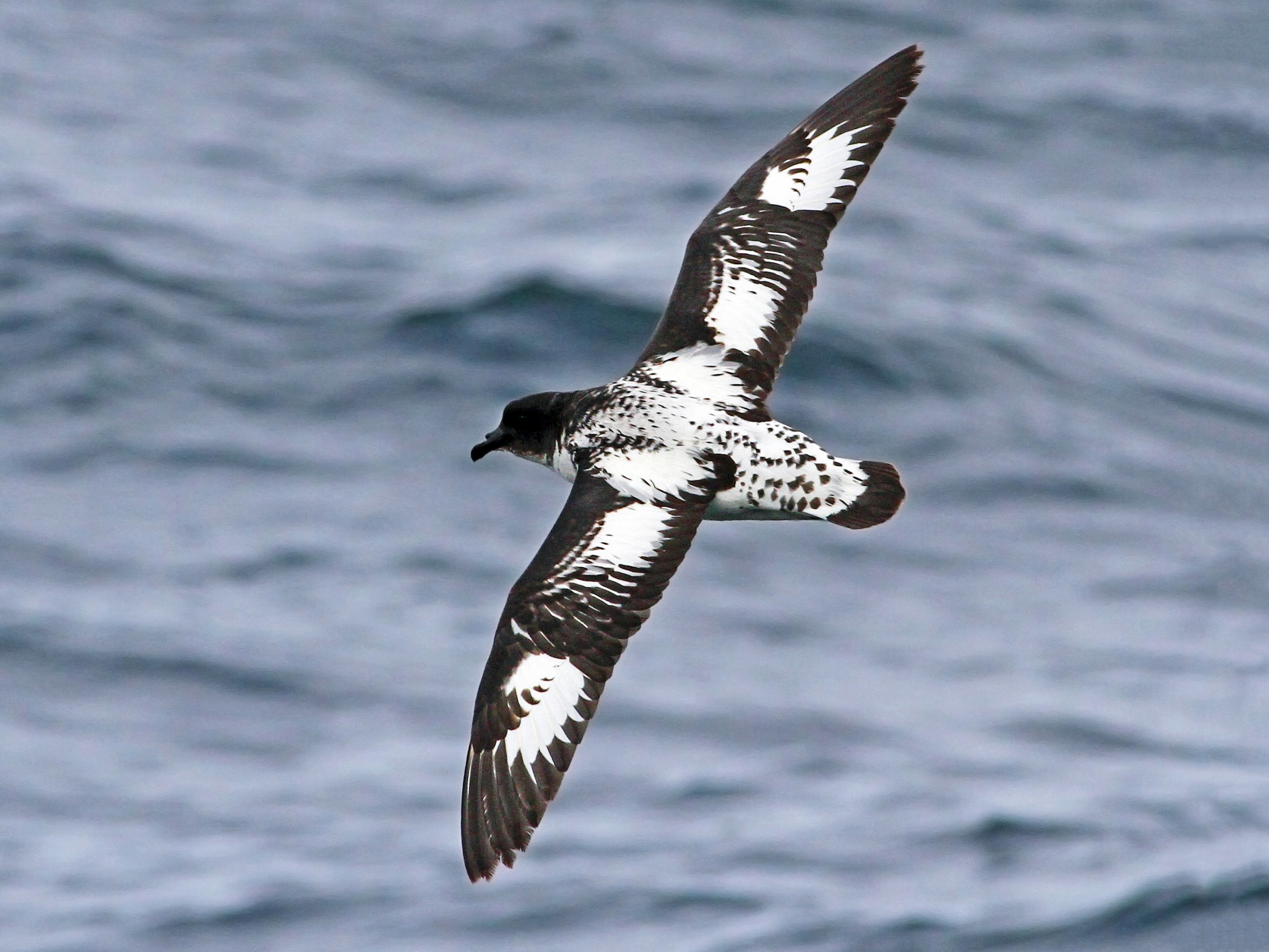
The pintado petrel, better known as the Cape petrel, is one of the most abundant seabirds of the Southern Ocean, with a population estimated at around two million. Travellers usually meet it long before they see land, tracking ships across open water.
Wildlife
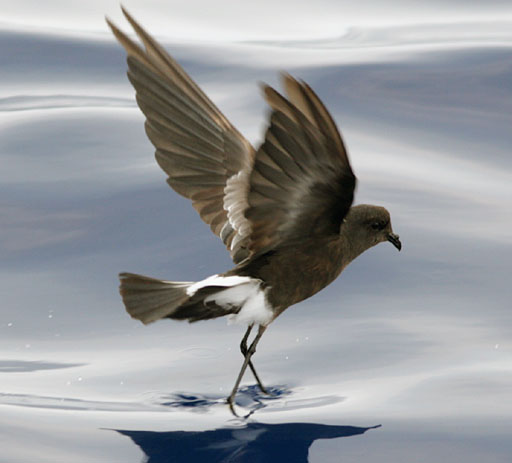
A small, sooty-black seabird that flits and patters over the wake like it's walking on water. Named for ornithologist Alexander Wilson, it's reckoned among the most numerous bird species on Earth.
Wildlife
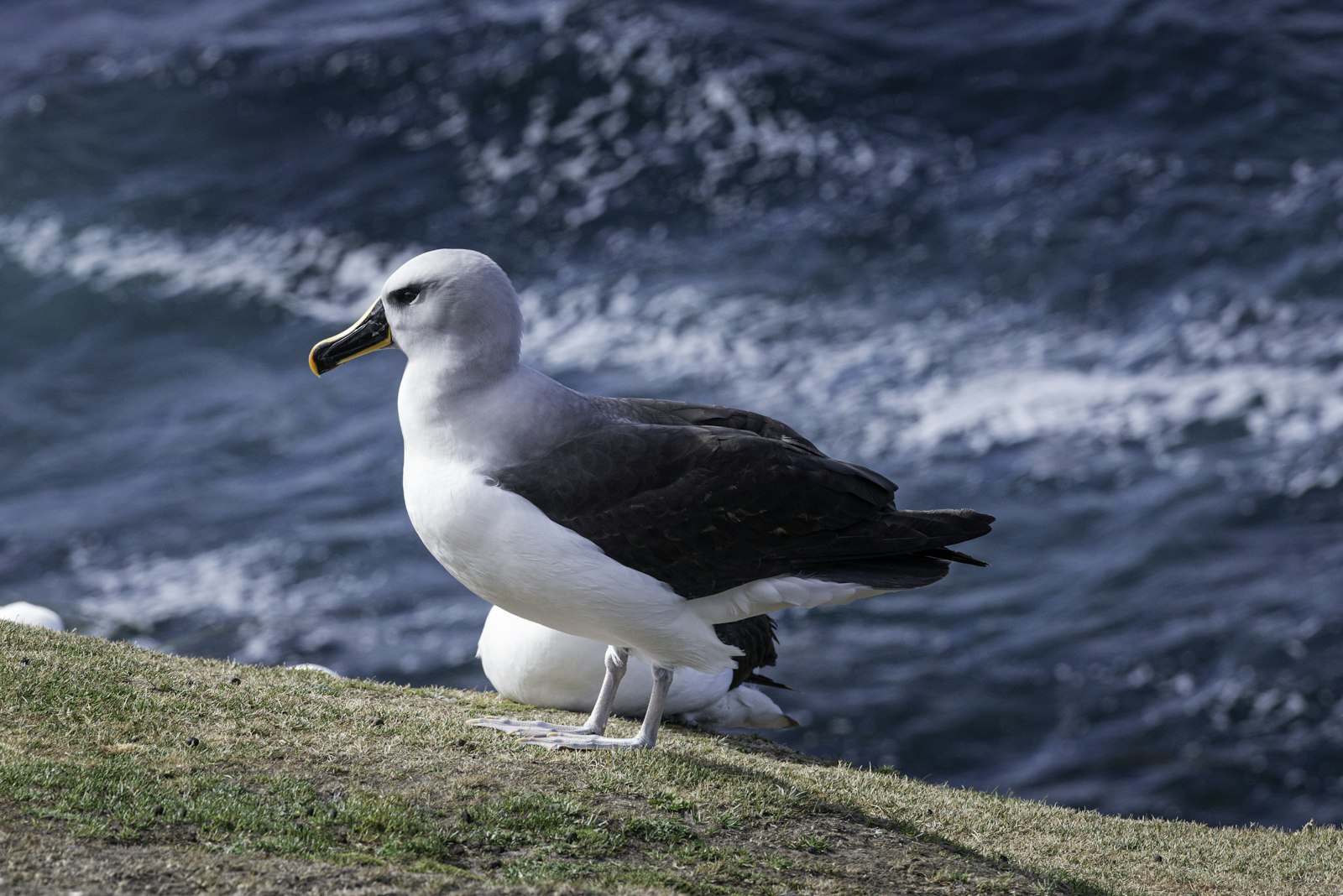
A large mollymawk with an ashy-grey head, throat and neck, ranging further south into the Southern Ocean than any other albatross of its kind. Look for it wheeling low over the wake in open water far from any coastline.