Antarctica Unlocked

1,000 departures across 14 operators and 39 ships

Cruises visiting Falkland Islands

172 upcoming Antarctic expeditions with Falkland Islands on the route, from $8,900 per person.

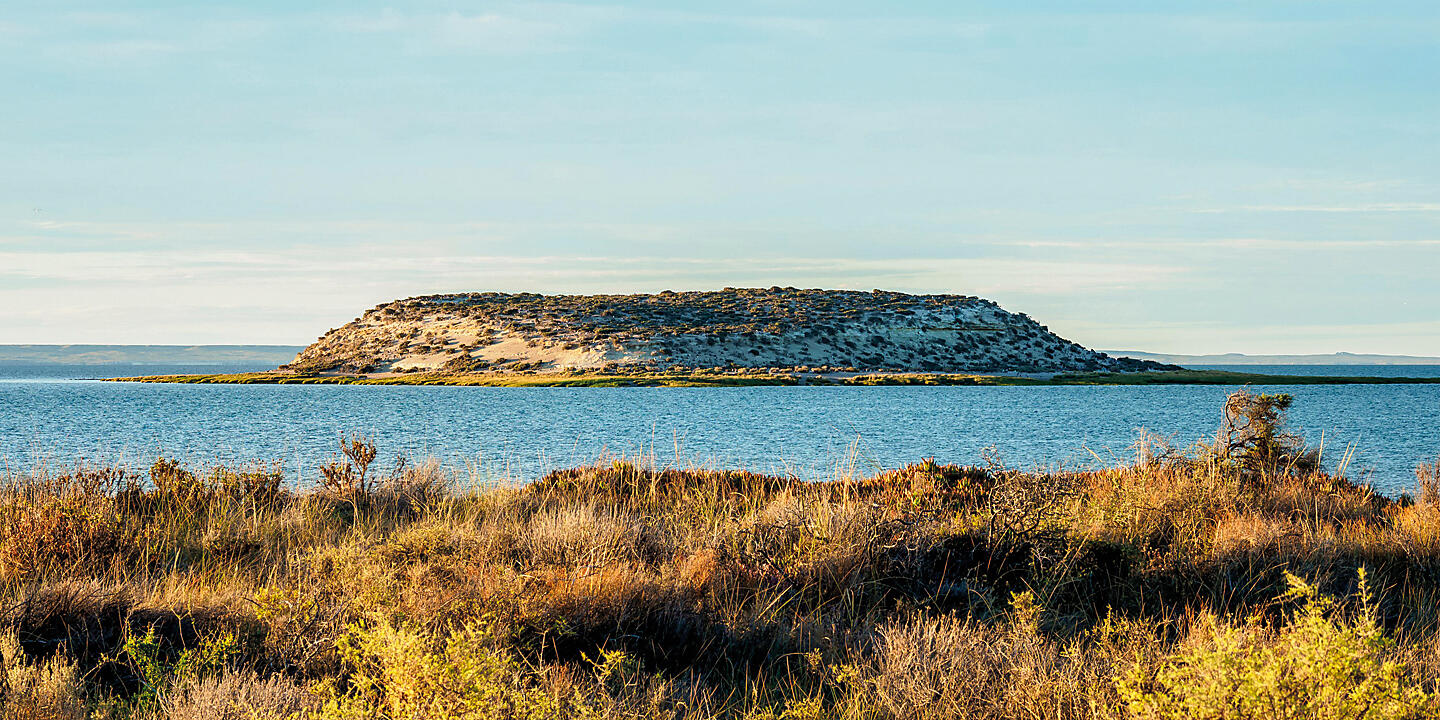
The Falklands open most long Southern Ocean itineraries: windswept, green and full of life. West Point and Saunders Island host black-browed albatross colonies nesting shoulder-to-shoulder with rockhopper penguins.

Stanley adds a dose of civilisation — pubs, a cathedral with a whalebone arch — before the ship pushes south into wilder waters. Five penguin species breed here.

Wildlife you can spot here

Wildlife

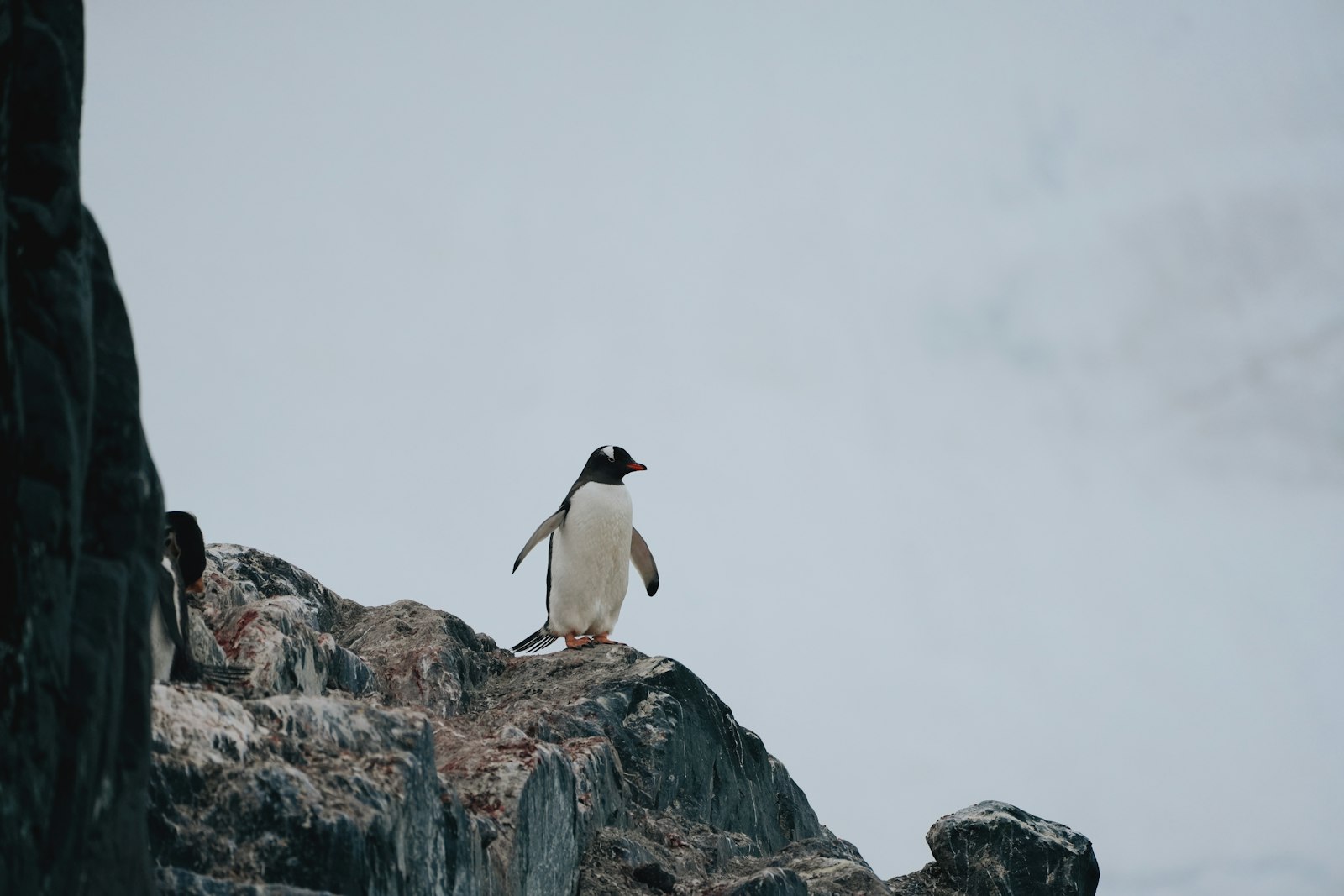
Gentoo Penguin

A stocky, orange-billed penguin of the genus Pygoscelis, closest kin to the Adélie and Chinstrap. Its loud, trumpeting call, delivered with head thrown back, carries across the shoreline colonies where expedition landings are made.

Wildlife

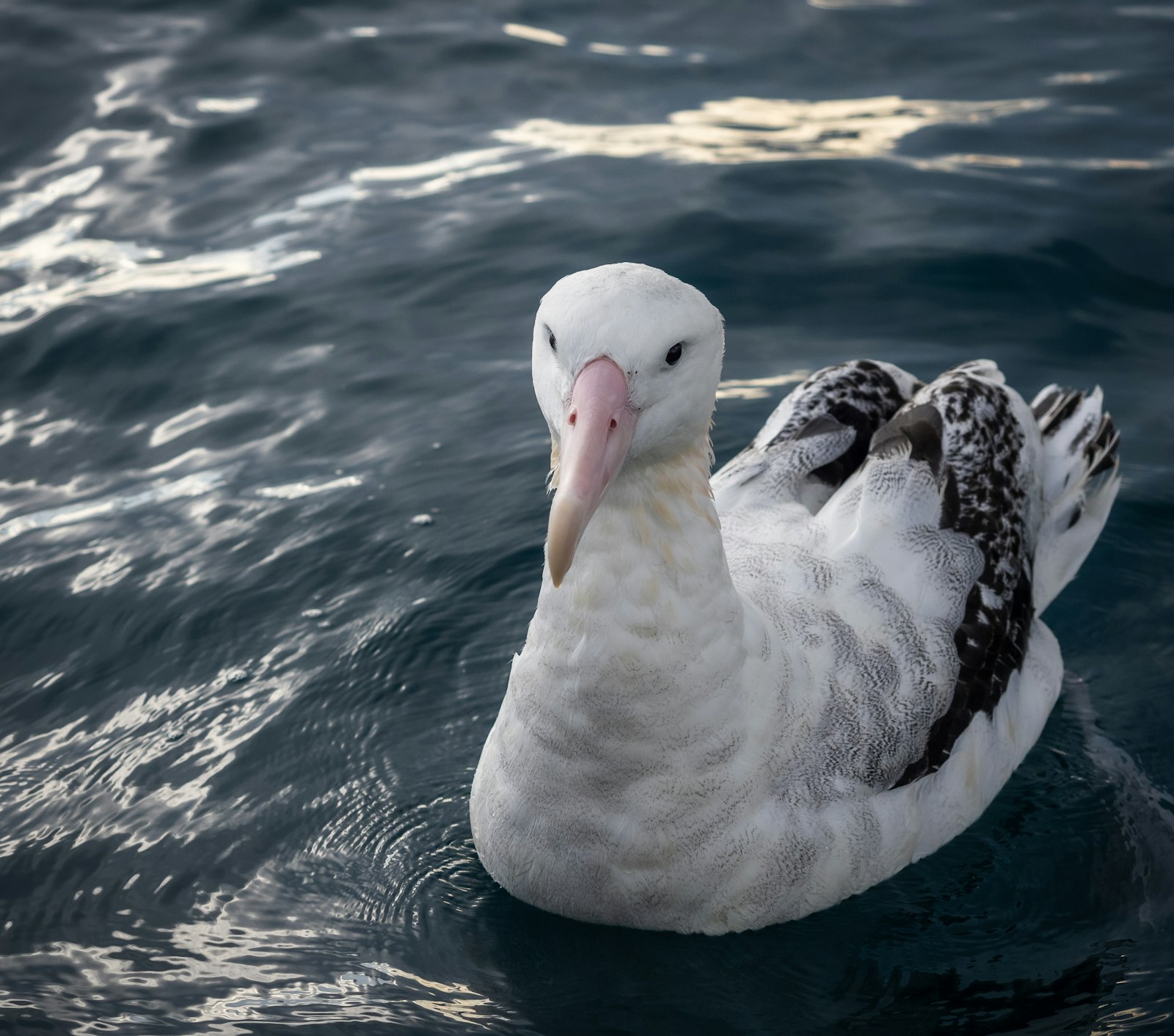
Wandering Albatross

The snowy albatross, better known as the wandering albatross, has the widest wingspan of any living bird alive today. Watch for it riding the wind for hours behind the ship without a single wingbeat.

Wildlife

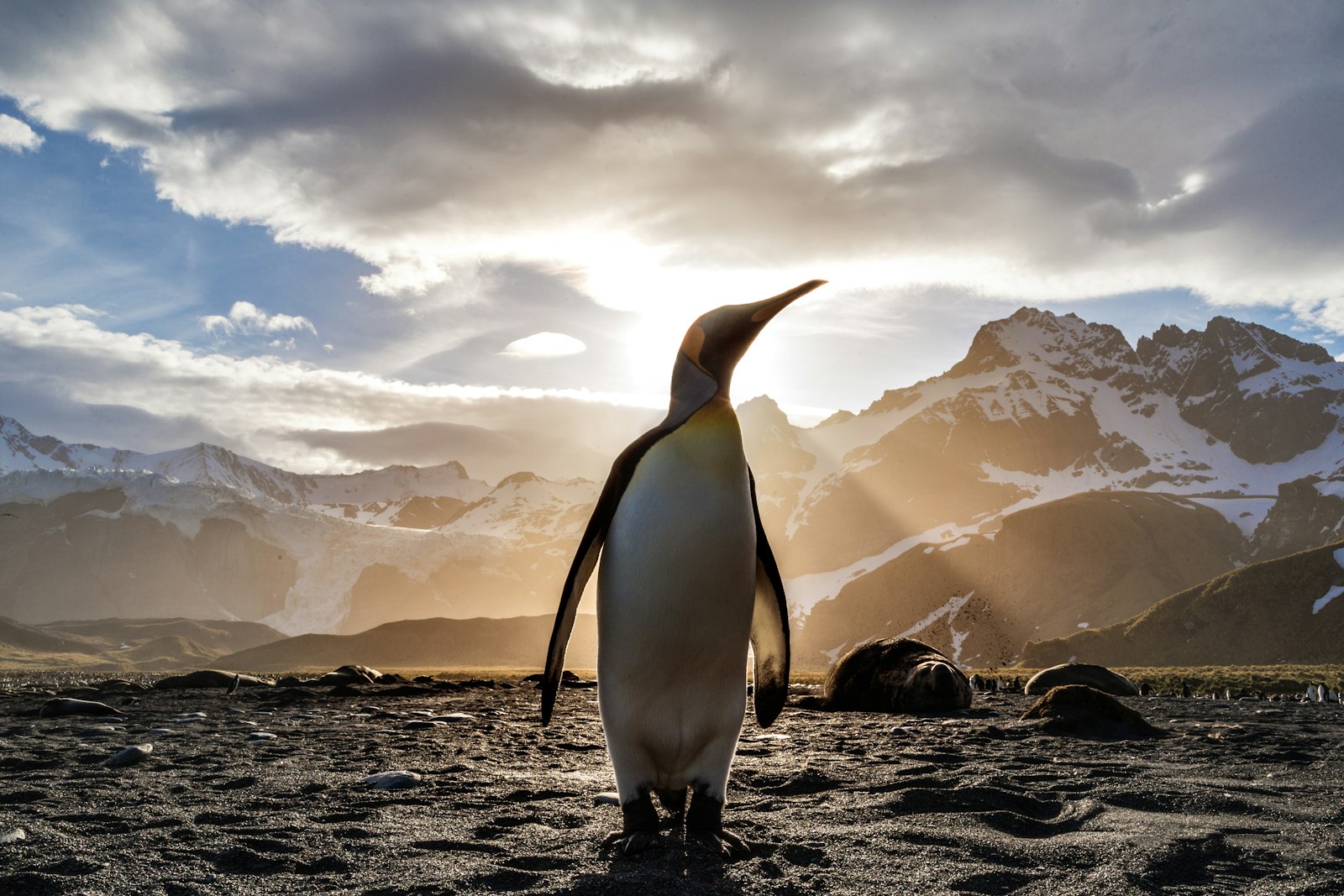
King Penguin

The king penguin is the second-largest penguin species, closely resembling but smaller than the emperor penguin. Look for its dense, noisy colonies on South Georgia's beaches, one of the more reliable large penguins to watch up close on these voyages.

Wildlife

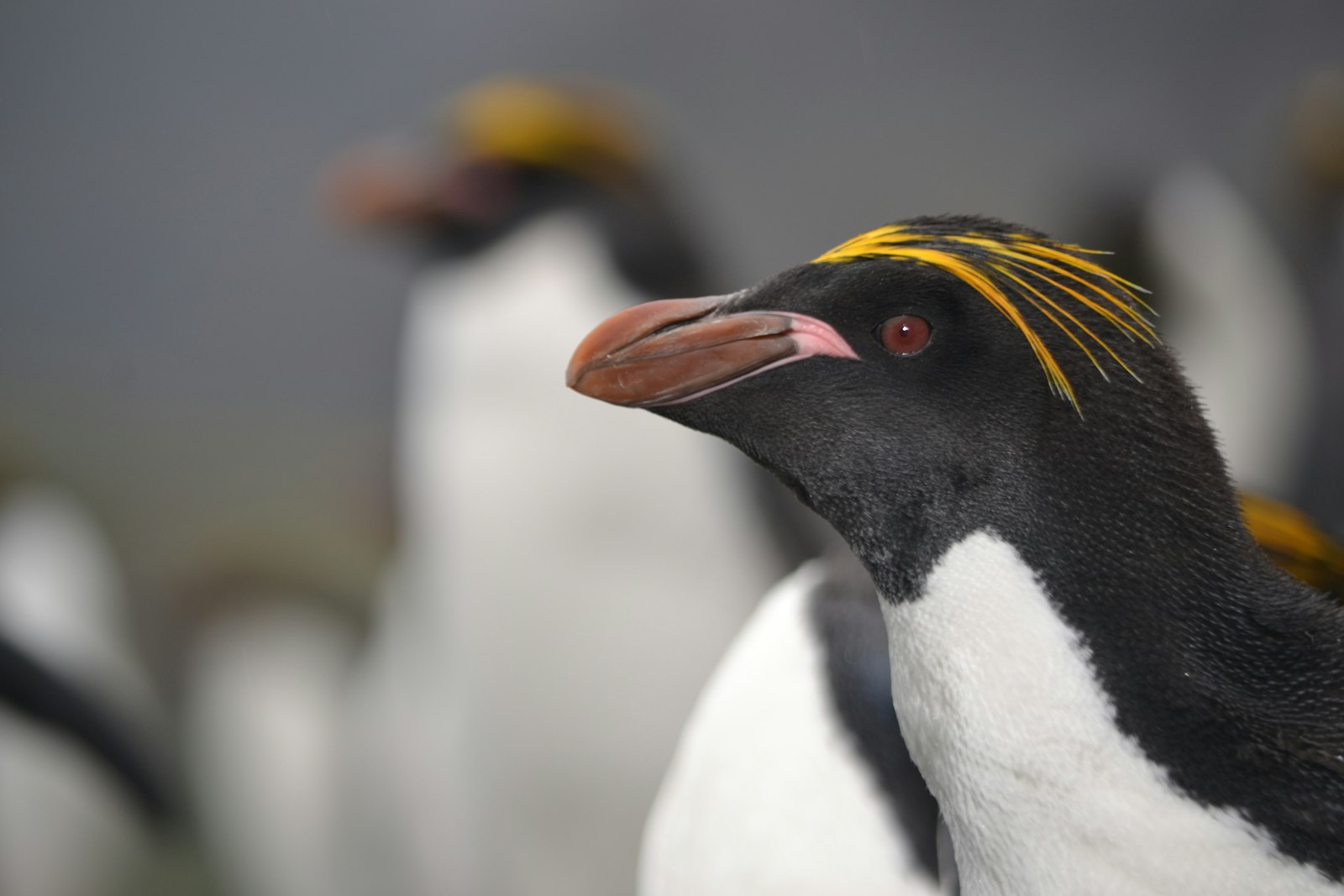
Macaroni Penguin

Look for the shaggy yellow eyebrows: this stocky, crested penguin breeds in dense, noisy colonies across the Southern Ocean. It's the most numerous penguin species on Earth, though its numbers have been falling since the 1970s.

Wildlife

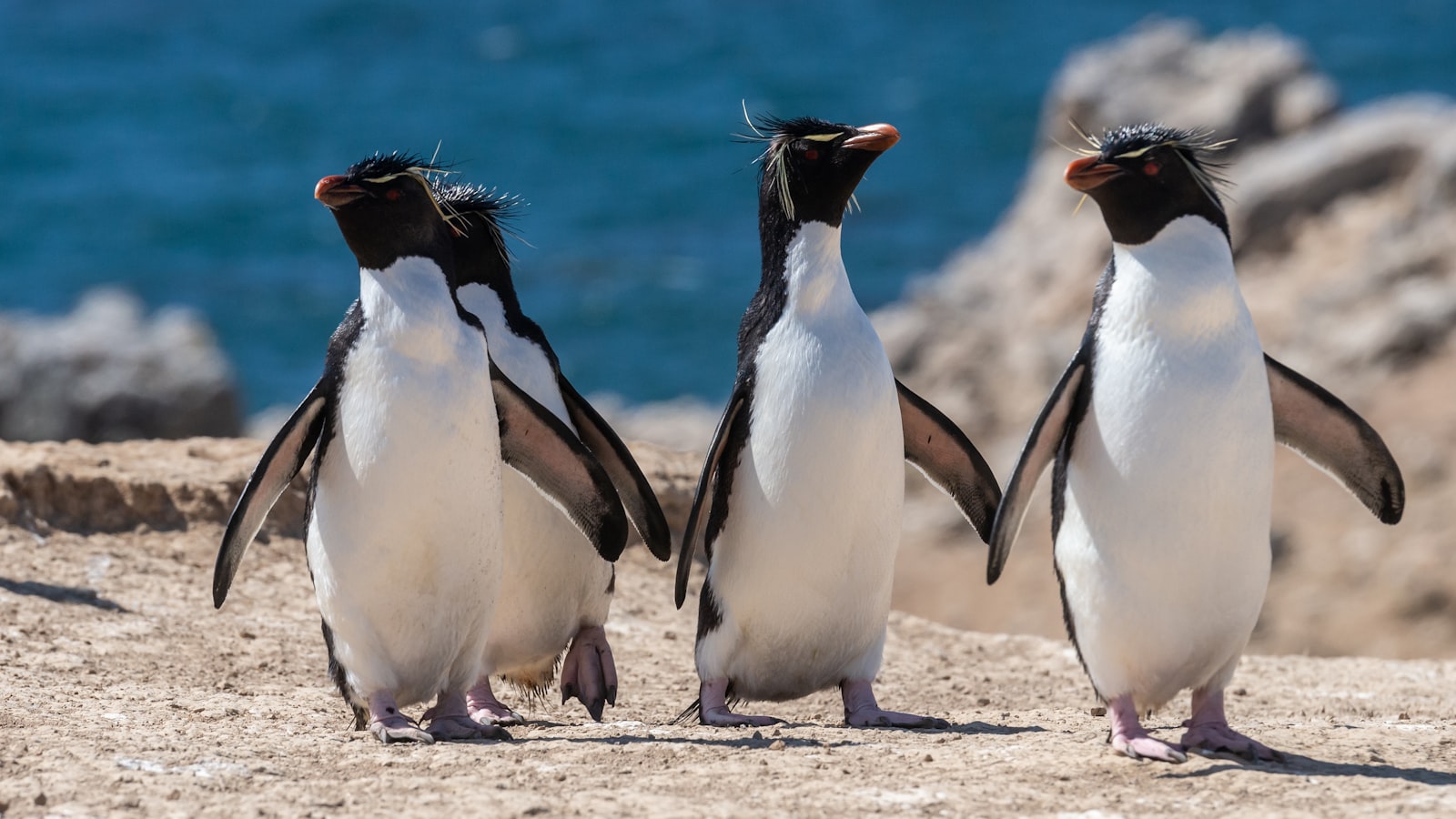
Southern Rockhopper Penguin

A small, spiky-crested penguin found around the southern tip of South America and its outlying islands. Its tangled taxonomic history makes it a quietly interesting stop on any Southern Ocean itinerary.

Wildlife

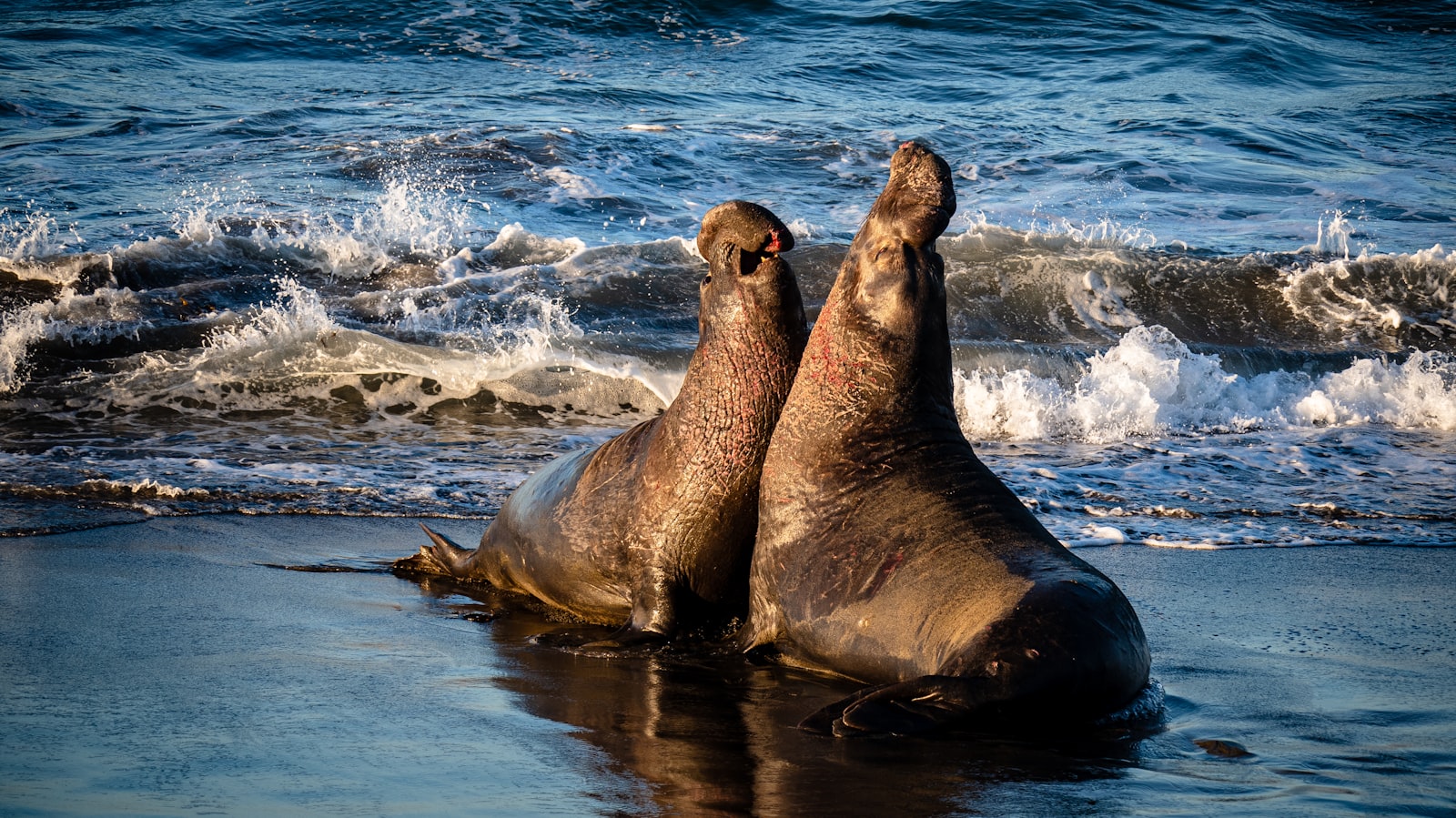
Southern Elephant Seal

The southern elephant seal is the largest of all pinnipeds, with bulls roughly twice the bulk of a walrus. Watching a beachful of them roar and shove over territory is one of the most physical wildlife spectacles the Southern Ocean offers.

Wildlife

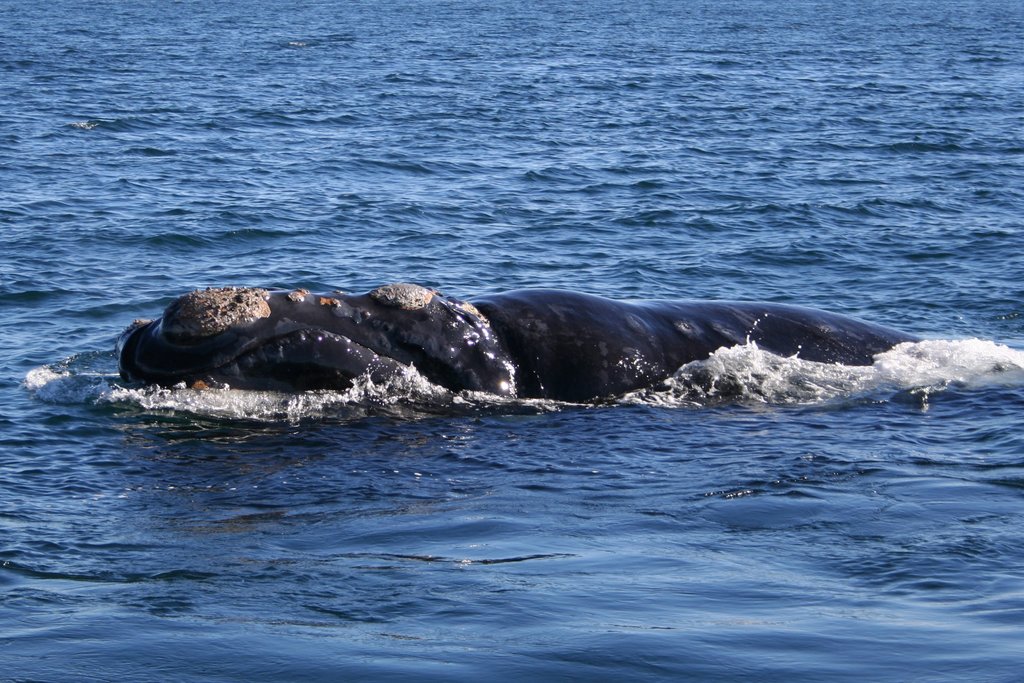
Southern Right Whale

A stocky baleen whale with no dorsal fin and a head crusted in pale callosities, once hunted almost to extinction and now the whale most likely to breach or wave a fluke at passing ships. It favours the same cold, food-rich waters that expedition itineraries already follow.

Wildlife

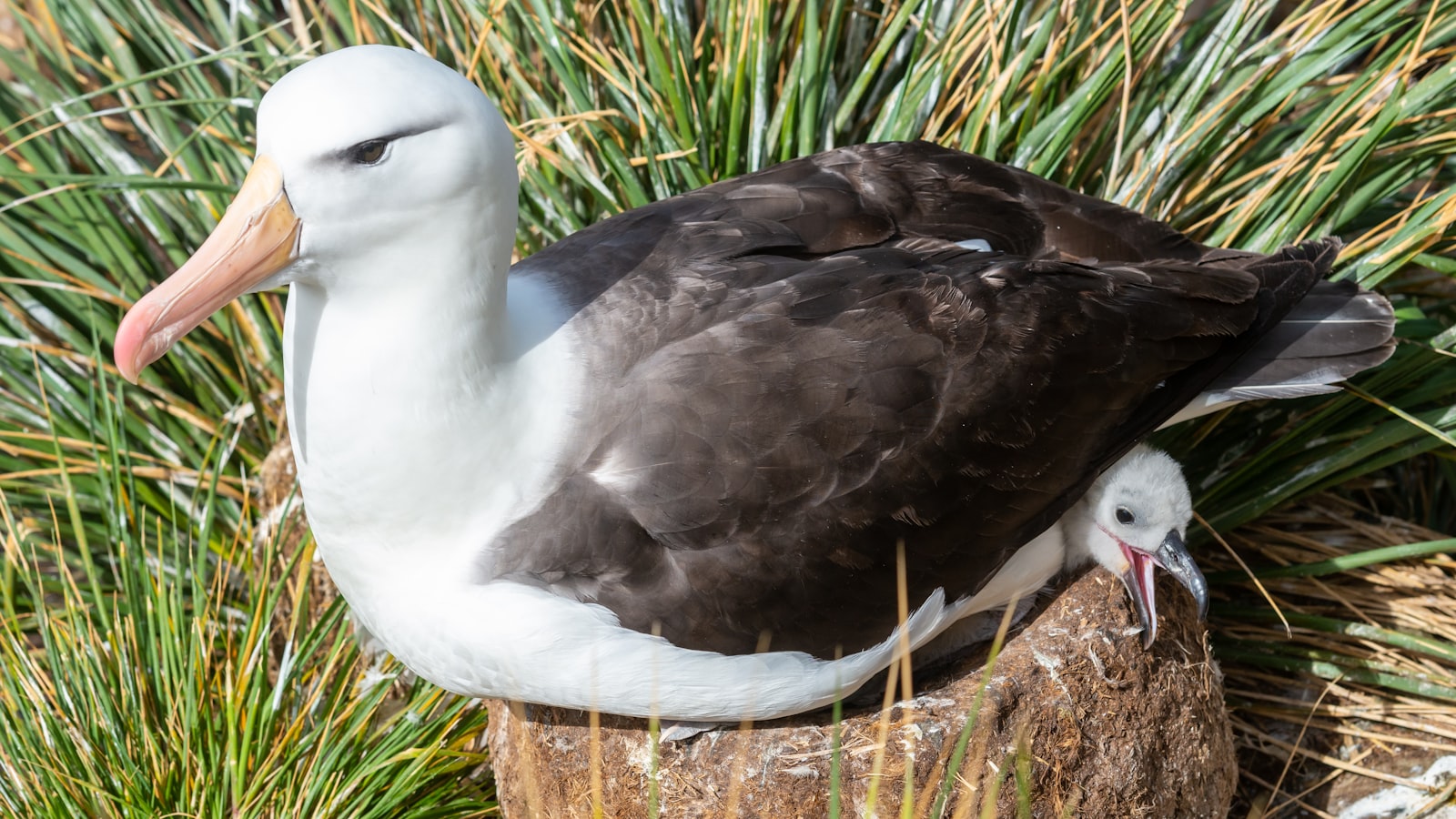
Black-Browed Albatross

A large seabird of the albatross family, the black-browed albatross is the most widespread and common of all albatrosses. Its dark eye-stripe makes it one of the easiest albatrosses to pick out from a rolling deck.

Wildlife

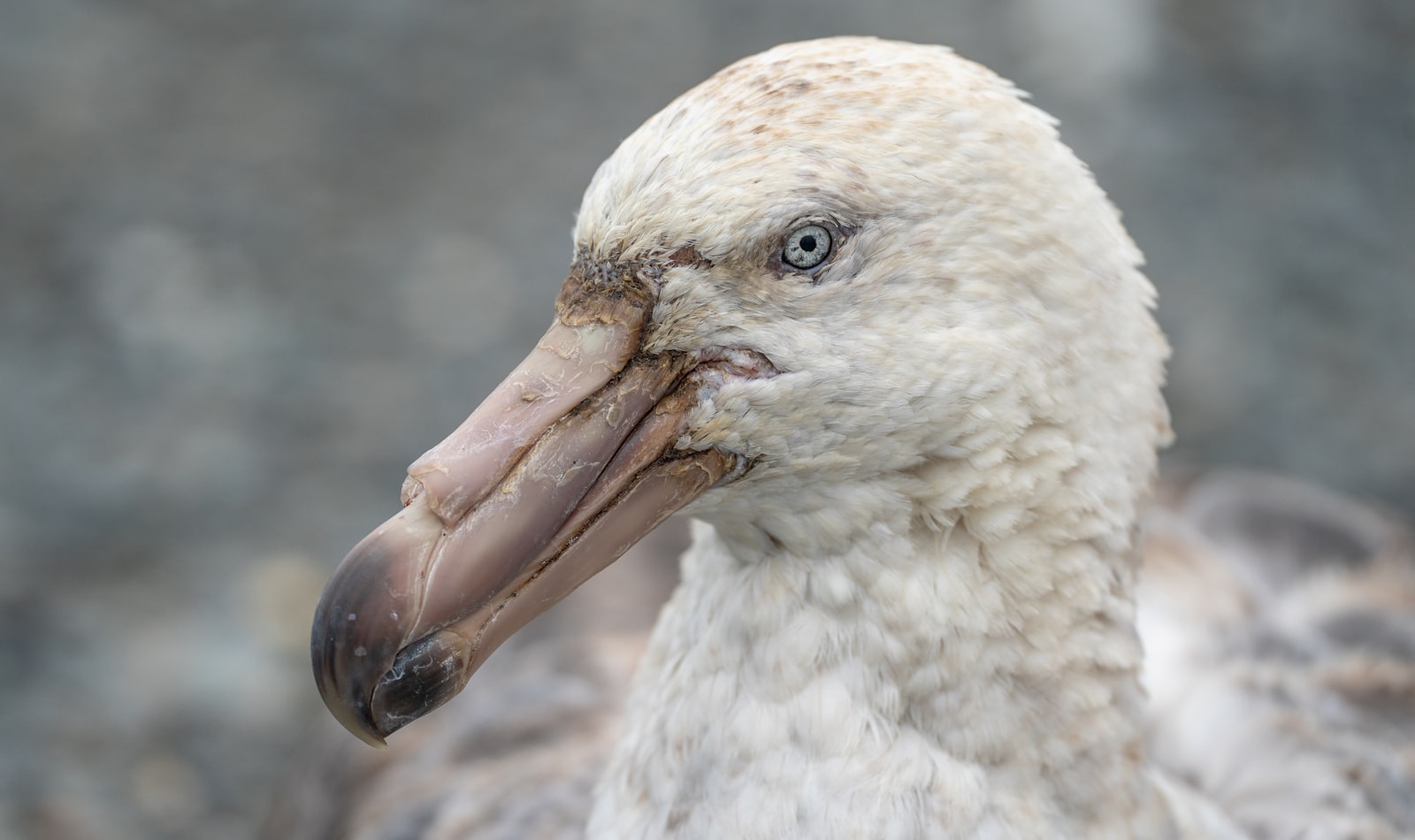
Southern Giant Petrel

A large seabird of the southern oceans, also called the Antarctic giant petrel, giant fulmar or simply the stinker. Its range overlaps broadly with the near-identical northern giant petrel, the two told apart chiefly by the colour of the bill-tip.

Wildlife

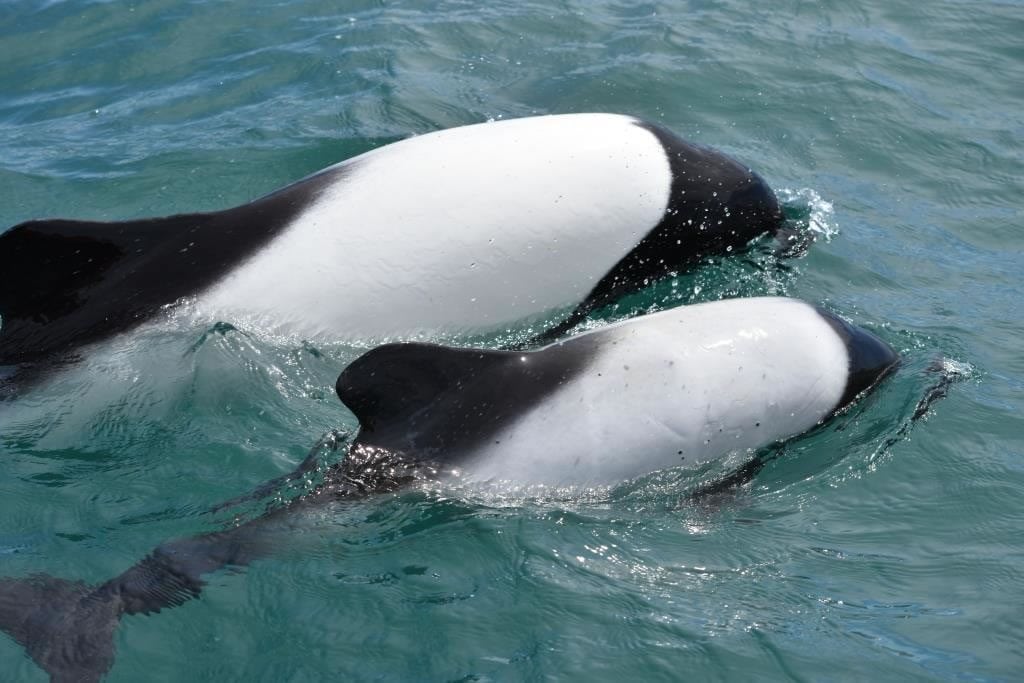
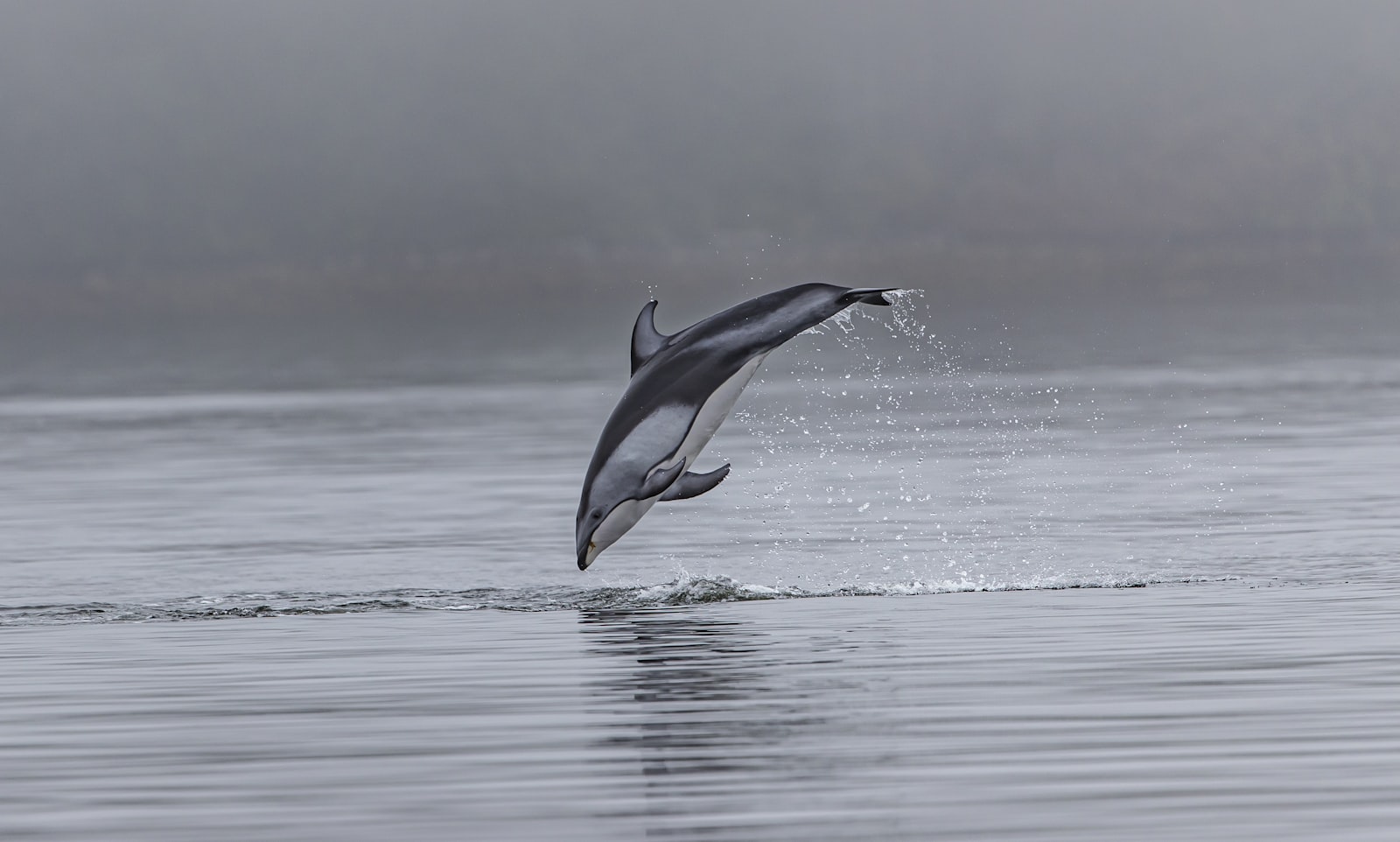
Commerson's Dolphin

A small, sharply marked black-and-white dolphin found only around the tip of South America, often seen riding the bow wave in narrow channels. Its jacobita or panda-dolphin nickname comes from the bold two-tone pattern that make it hard to mistake for anything else.

Wildlife

Peale's Dolphin

A small, sturdy dolphin found only in the waters off southern South America, sometimes still called the black-chinned dolphin for the dark patch under its jaw. Watch for it riding bow waves as your ship threads the channels toward Antarctica.

Wildlife

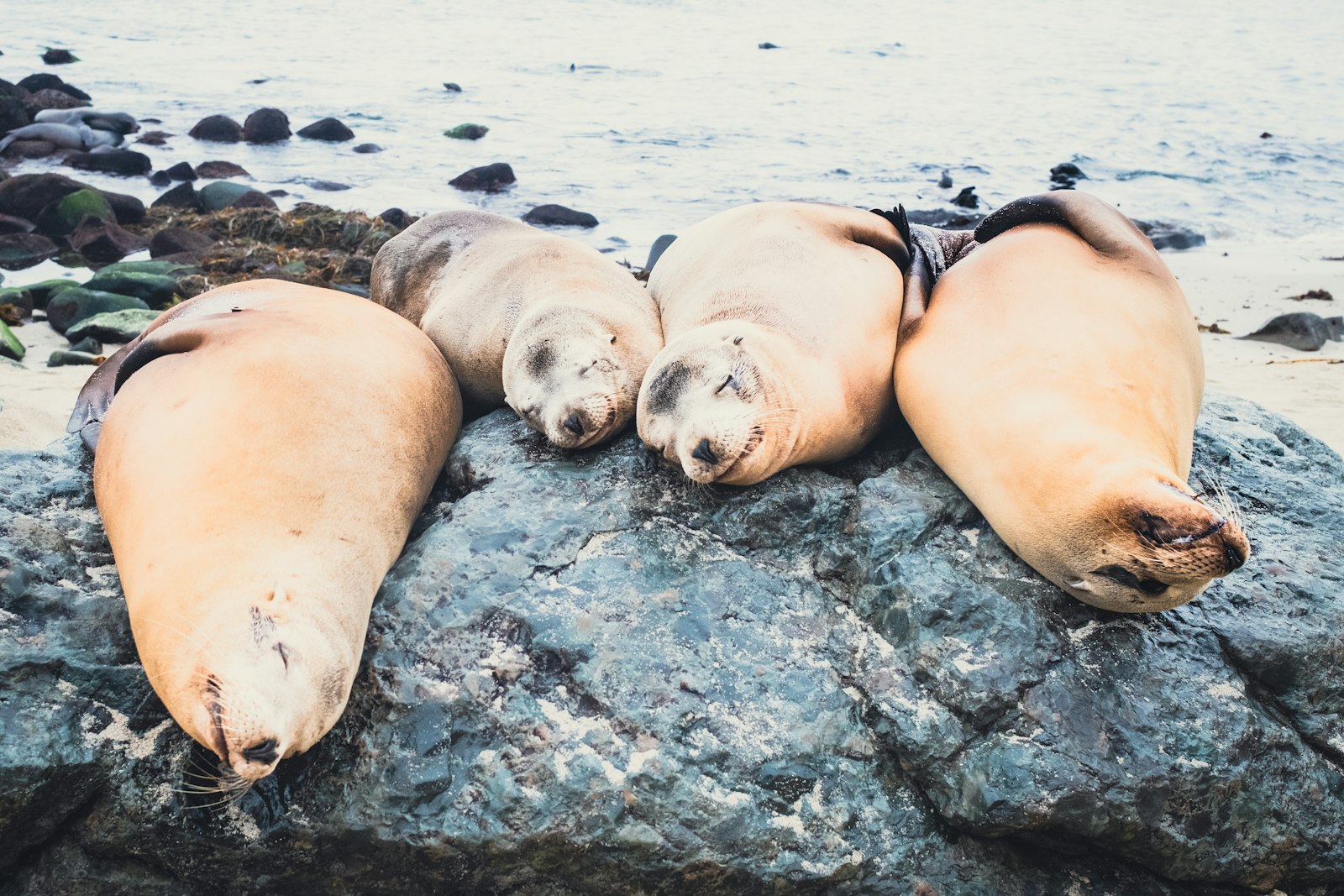
South American Sea Lion

Bulky, maned bulls and sleek females haul out together on beaches from the Falklands to the Beagle Channel. Watching a dominant male defend his patch of shoreline is one of the more entertaining wildlife spectacles of the region.

Wildlife

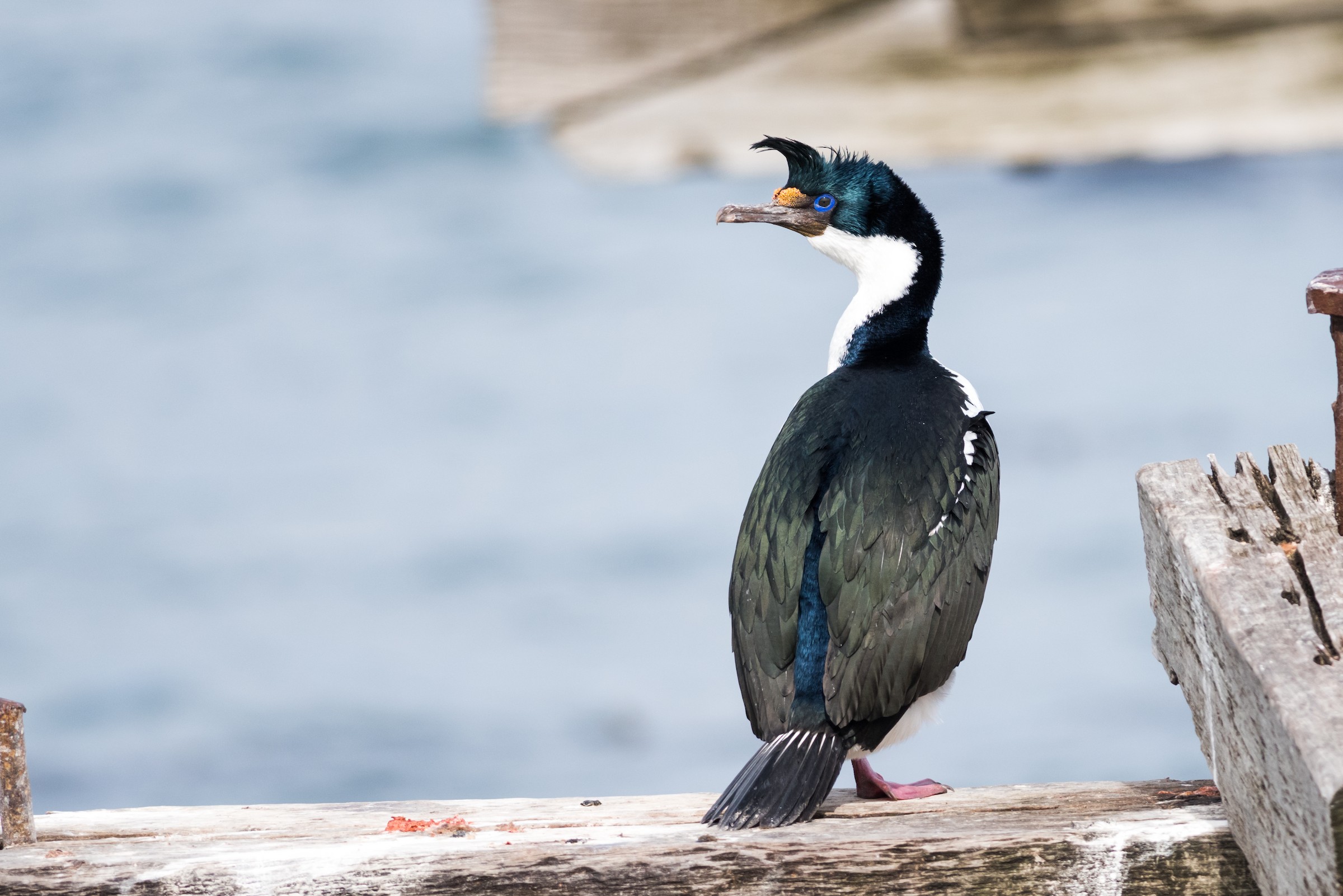
Imperial Shag

A black-and-white cormorant with a startling ring of blue skin around each eye, nesting in dense colonies on bare coastal rock. Look for it wherever cliffs meet water, often perched stiff-winged like a heraldic emblem.

Compare all Antarctic departures across operators →