Antarctica Unlocked

1,000 departures across 14 operators and 39 ships

Cruises visiting South Georgia

178 upcoming Antarctic expeditions with South Georgia on the route, from $8,900 per person.

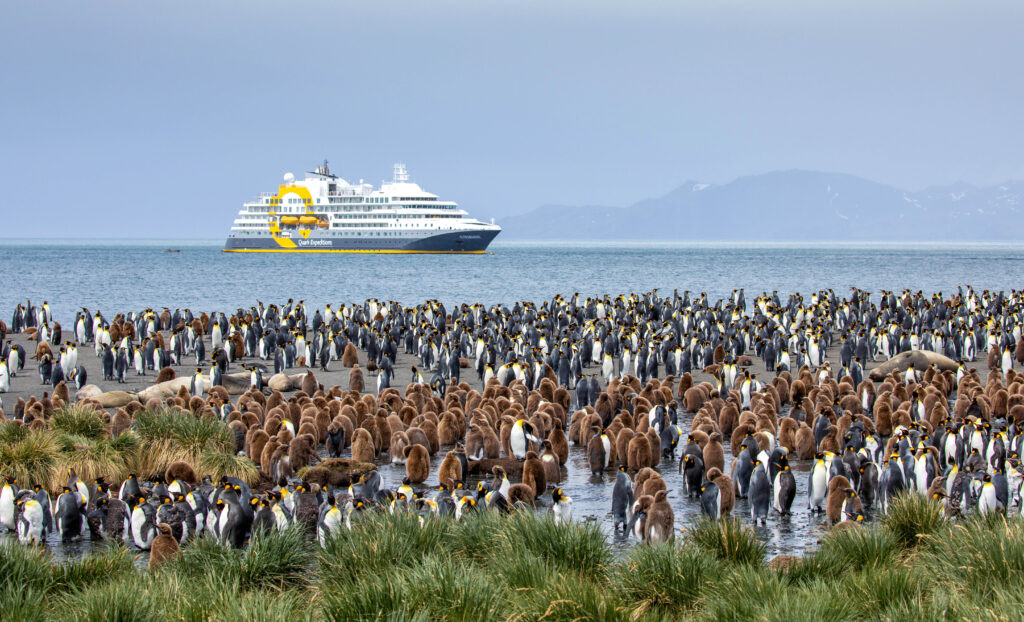
South Georgia is the wildlife spectacle of the Southern Ocean: beaches carpeted with hundreds of thousands of king penguins, fur seals in the tussock grass, and elephant seals the size of small cars. Many polar veterans rate it above Antarctica itself.

It is also Shackleton country — expeditions visit his grave at Grytviken and the old whaling stations. Reaching it adds roughly a week to an itinerary, usually combined with the Falklands and the Peninsula on 18–23 day voyages.

PONANT Le Boréal 200 guests

The Great Austral Loop

Nov 2, 2028 – Nov 19, 2028 · 18 days

Ushuaia (Argentina)

  • Hiking & snowshoeing
  • Kayaking & paddling
From $21,260 6 cabin offers
Available
Wildlife you can spot here

Wildlife

Gentoo Penguin

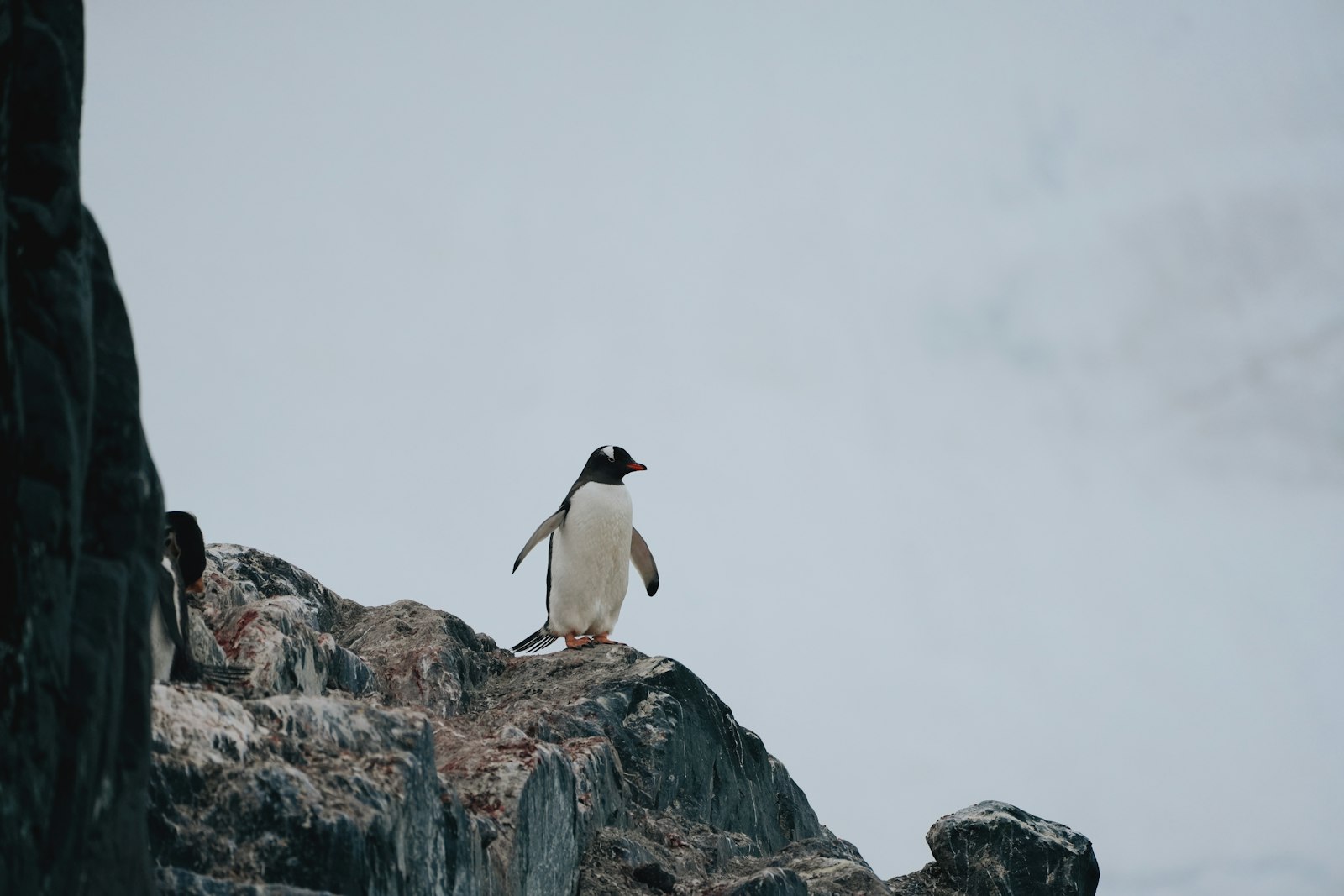
A stocky, orange-billed penguin of the genus Pygoscelis, closest kin to the Adélie and Chinstrap. Its loud, trumpeting call, delivered with head thrown back, carries across the shoreline colonies where expedition landings are made.

Wildlife

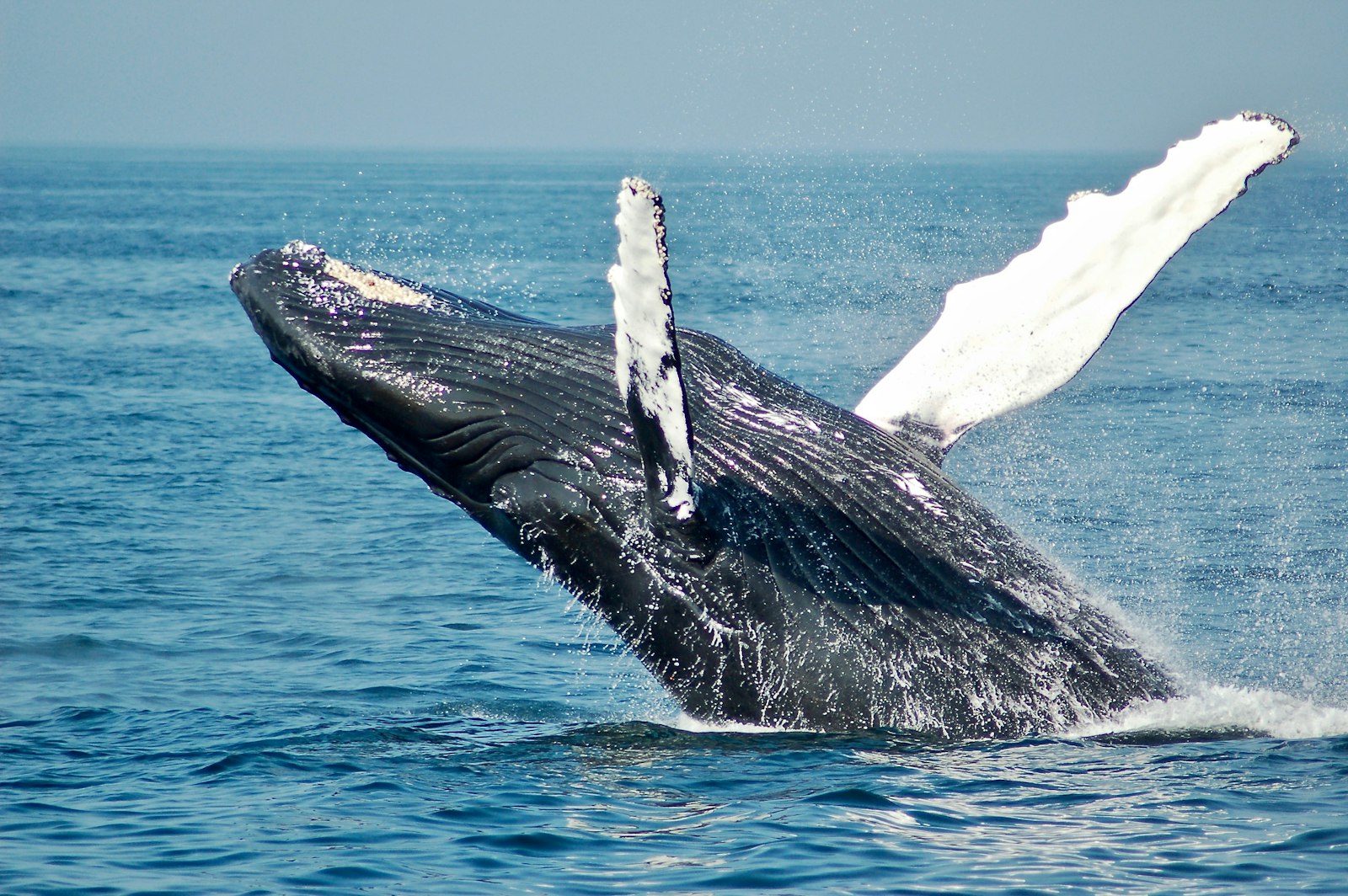
Humpback Whale

A 14–17 metre baleen whale known for breaching and long pectoral fins, often seen feeding on krill in loose groups along the ice edge.

Wildlife

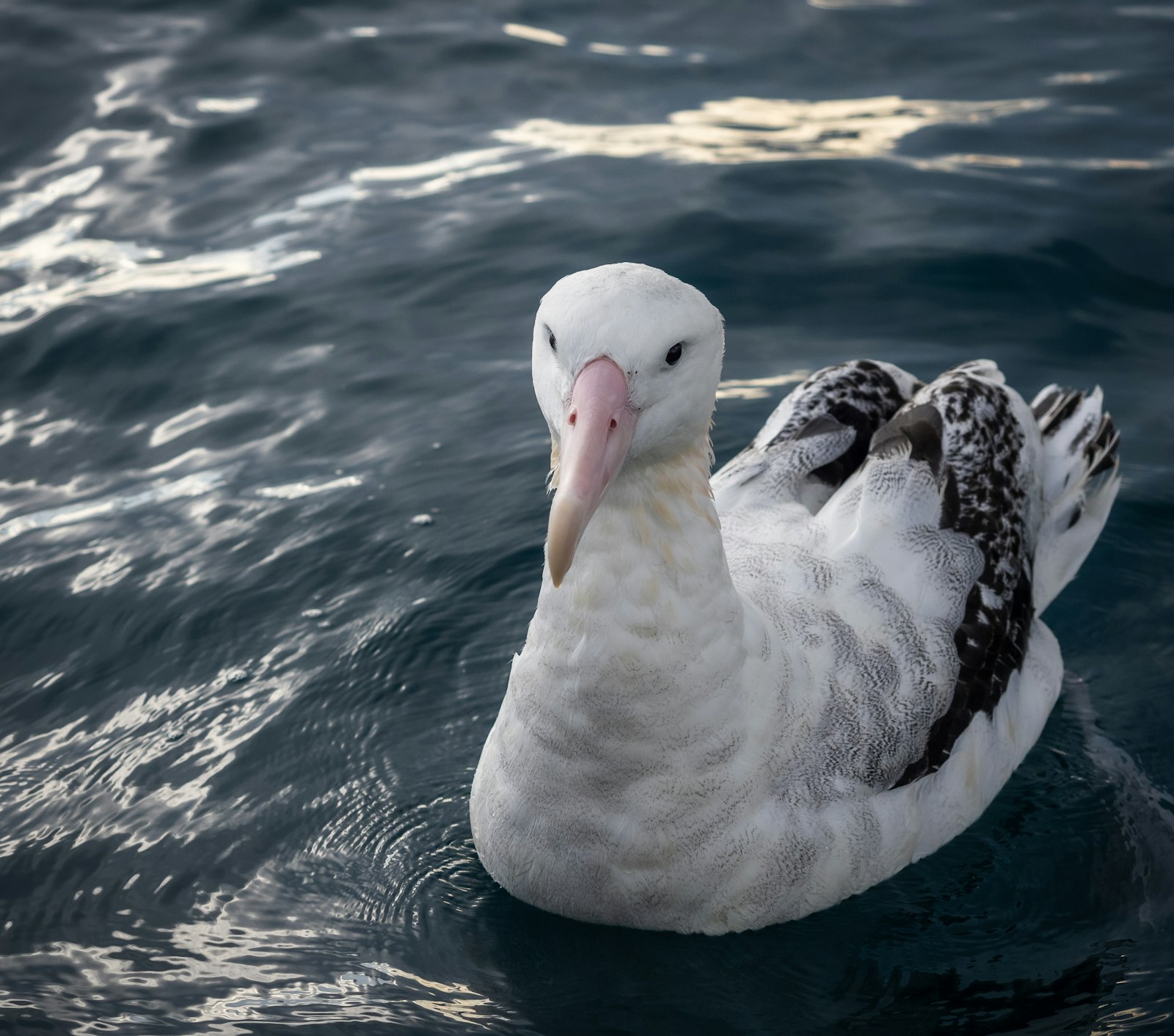
Wandering Albatross

The snowy albatross, better known as the wandering albatross, has the widest wingspan of any living bird alive today. Watch for it riding the wind for hours behind the ship without a single wingbeat.

Wildlife

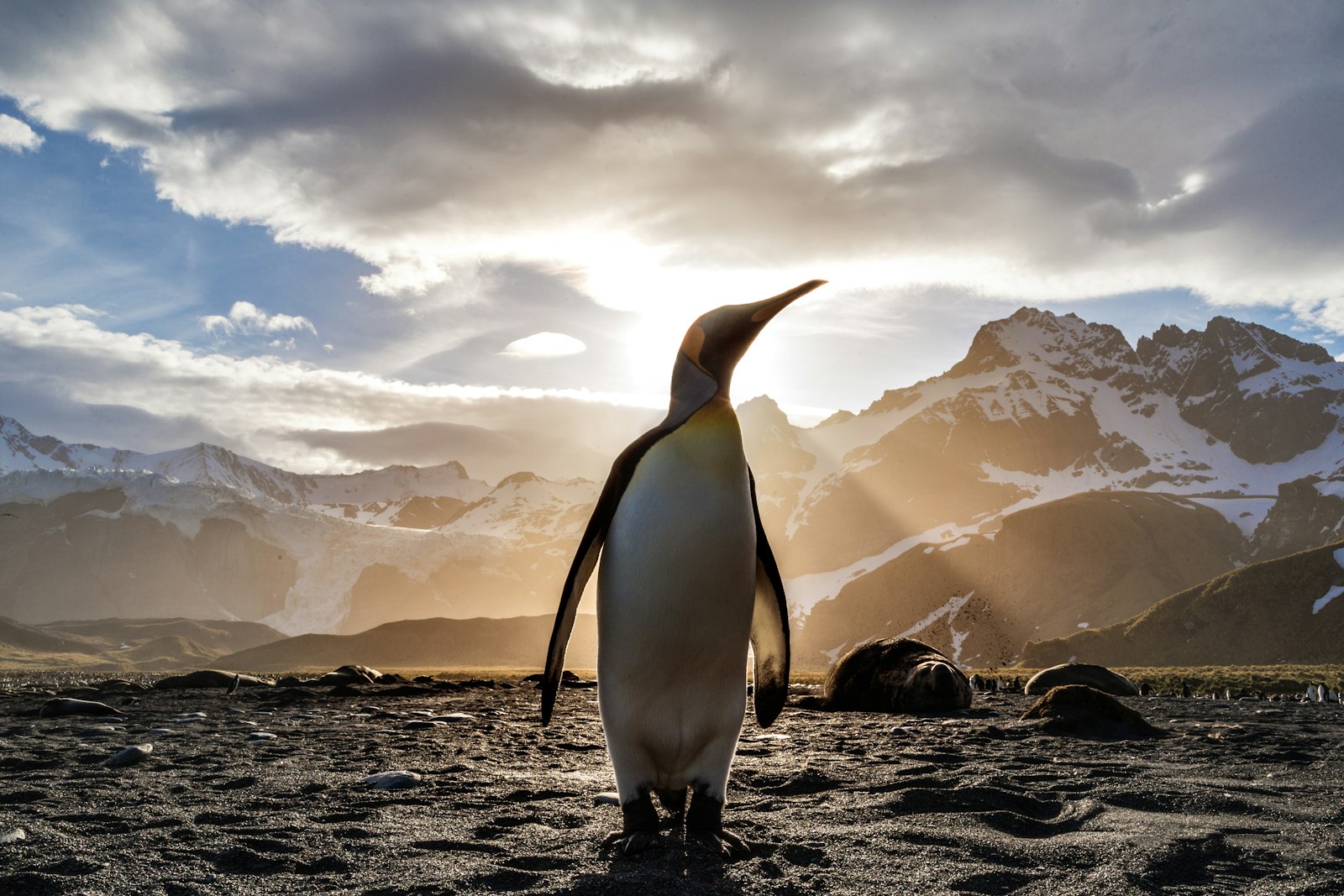
King Penguin

The king penguin is the second-largest penguin species, closely resembling but smaller than the emperor penguin. Look for its dense, noisy colonies on South Georgia's beaches, one of the more reliable large penguins to watch up close on these voyages.

Wildlife

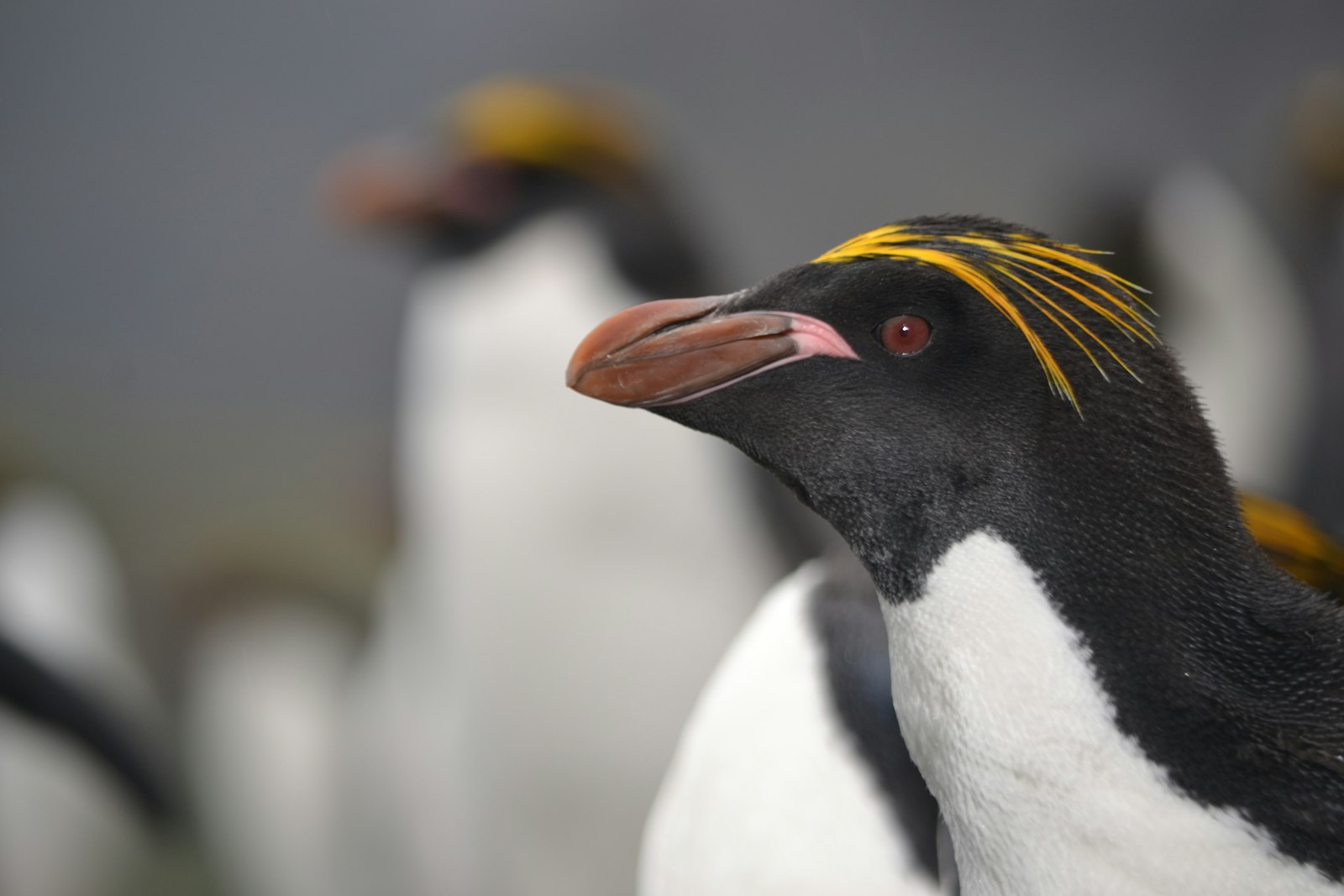
Macaroni Penguin

Look for the shaggy yellow eyebrows: this stocky, crested penguin breeds in dense, noisy colonies across the Southern Ocean. It's the most numerous penguin species on Earth, though its numbers have been falling since the 1970s.

Wildlife

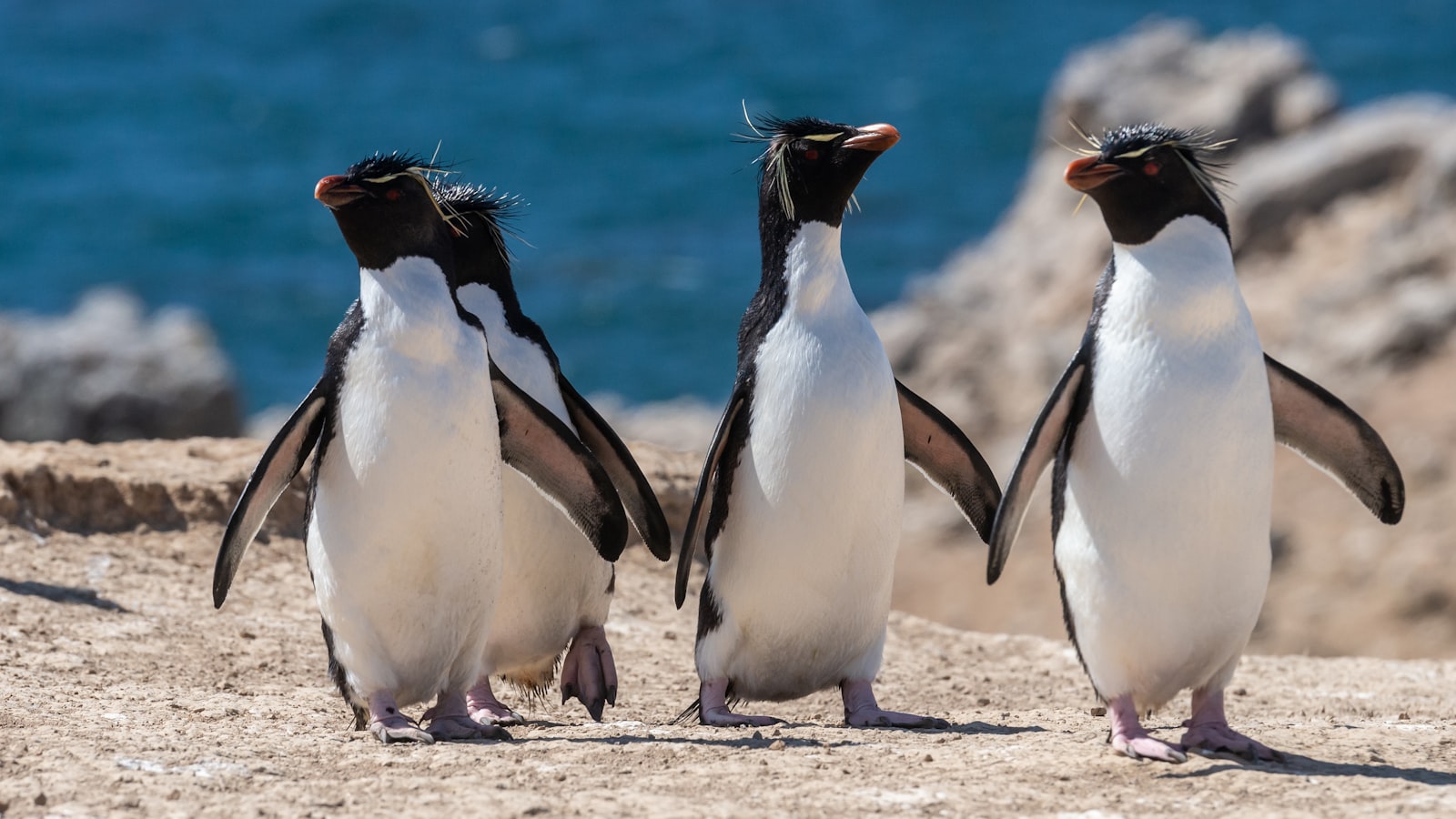
Southern Rockhopper Penguin

A small, spiky-crested penguin found around the southern tip of South America and its outlying islands. Its tangled taxonomic history makes it a quietly interesting stop on any Southern Ocean itinerary.

Wildlife

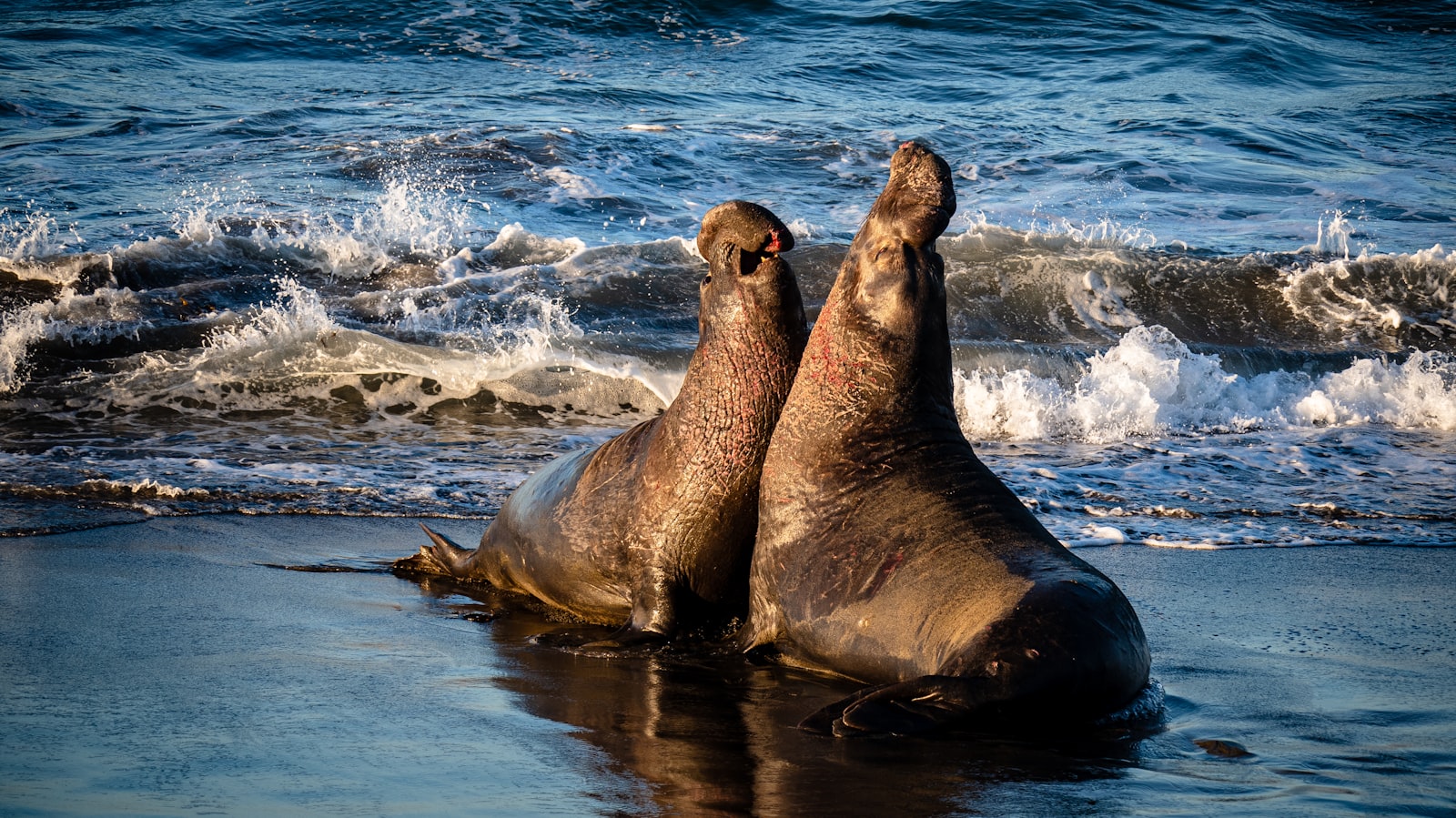
Southern Elephant Seal

The southern elephant seal is the largest of all pinnipeds, with bulls roughly twice the bulk of a walrus. Watching a beachful of them roar and shove over territory is one of the most physical wildlife spectacles the Southern Ocean offers.

Wildlife

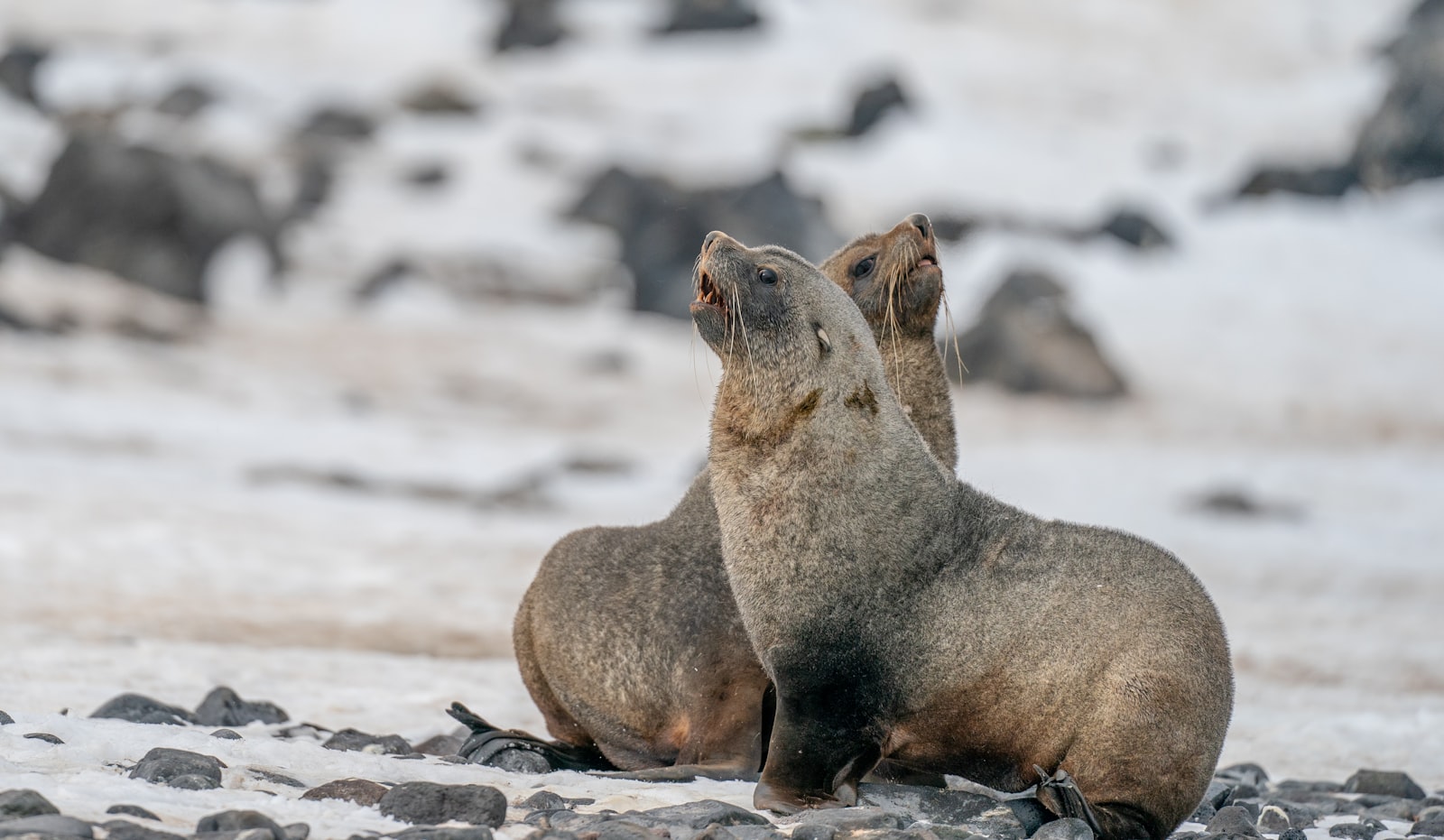
Antarctic Fur Seal

A small, quick-moving seal named almost by accident after the German ship that first collected it near Kerguelen, not for the continent it's rarely seen on. Despite the name, most encounters happen on subantarctic beaches, not the Antarctic mainland.

Wildlife

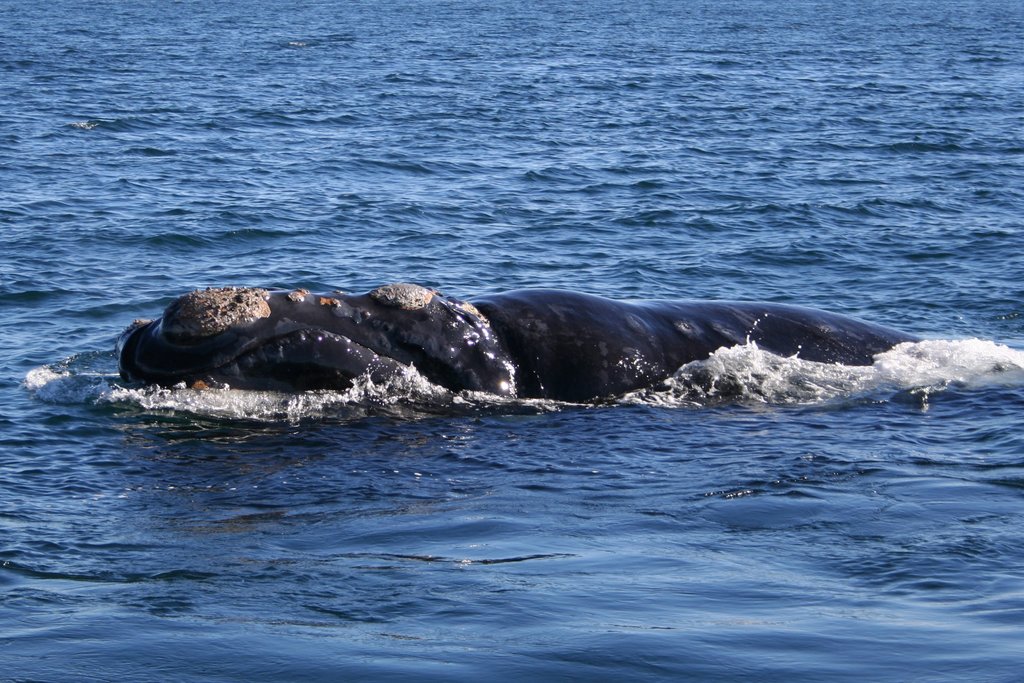
Southern Right Whale

A stocky baleen whale with no dorsal fin and a head crusted in pale callosities, once hunted almost to extinction and now the whale most likely to breach or wave a fluke at passing ships. It favours the same cold, food-rich waters that expedition itineraries already follow.

Wildlife

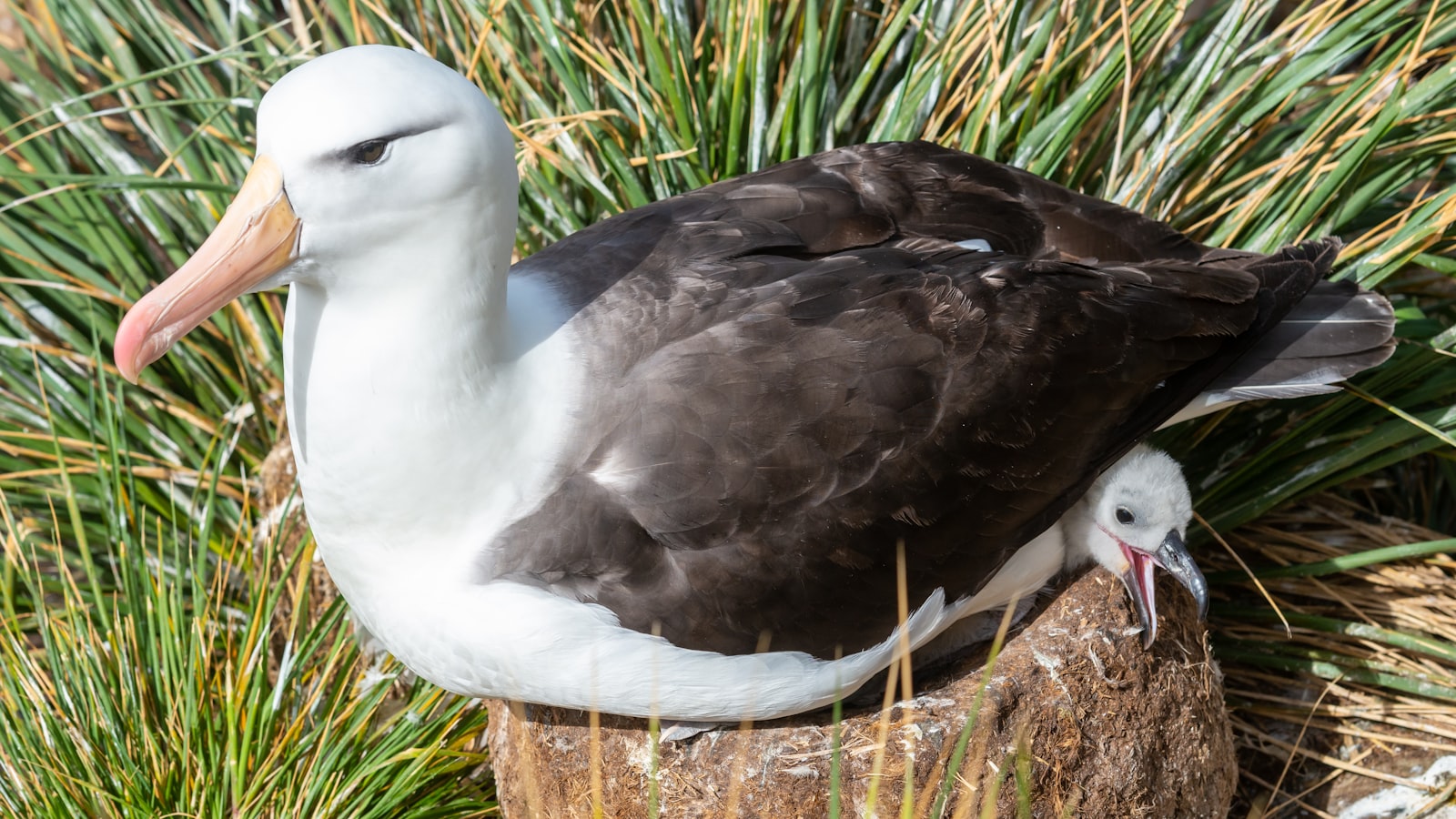
Black-Browed Albatross

A large seabird of the albatross family, the black-browed albatross is the most widespread and common of all albatrosses. Its dark eye-stripe makes it one of the easiest albatrosses to pick out from a rolling deck.

Wildlife

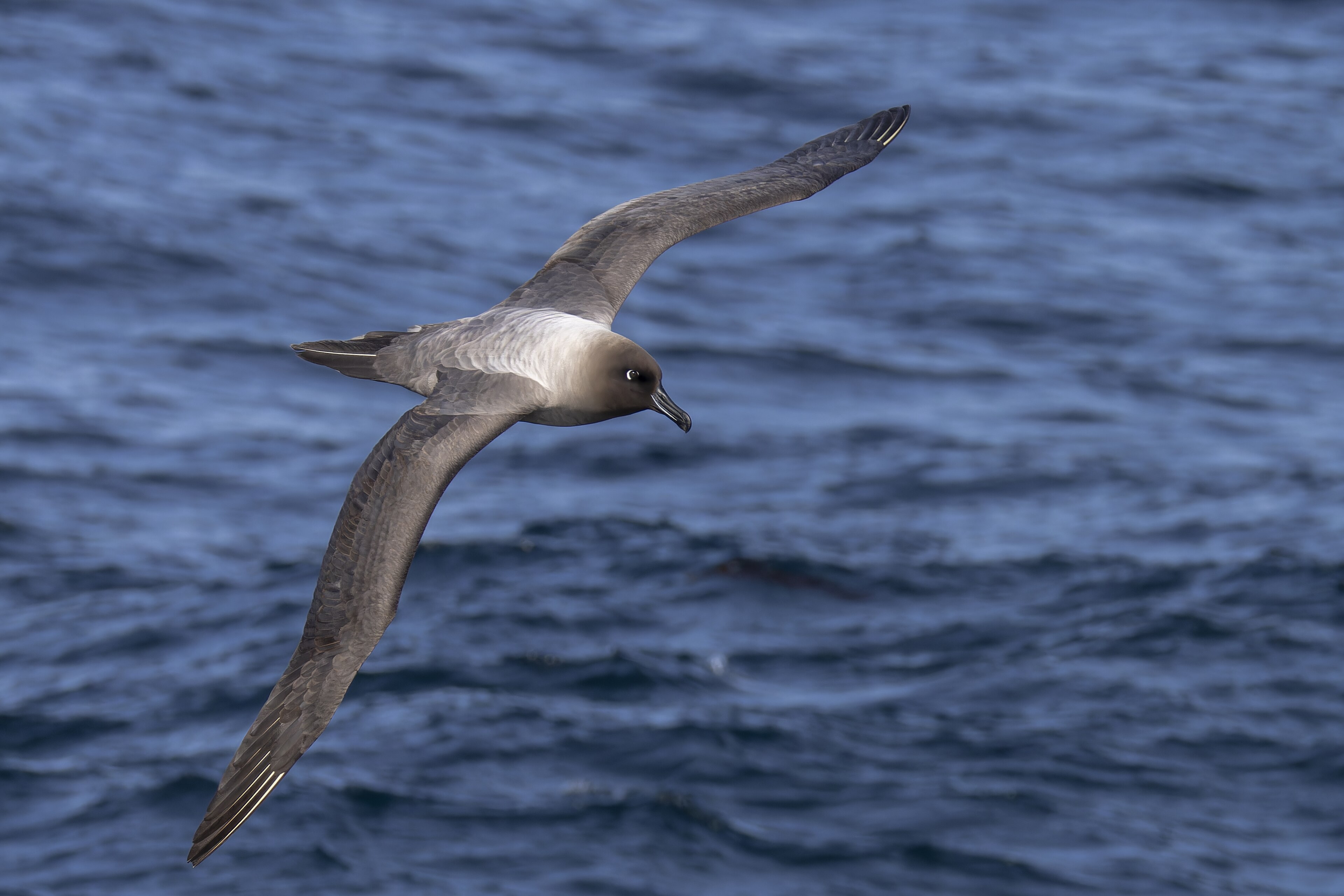
Light-Mantled Albatross

A small, sooty-grey albatross of the genus Phoebetria, first described from a specimen collected south of the Cape of Good Hope in 1785. Watch for its slow, buoyant glide along cliff faces and in the wake of ships crossing the Southern Ocean.

Wildlife

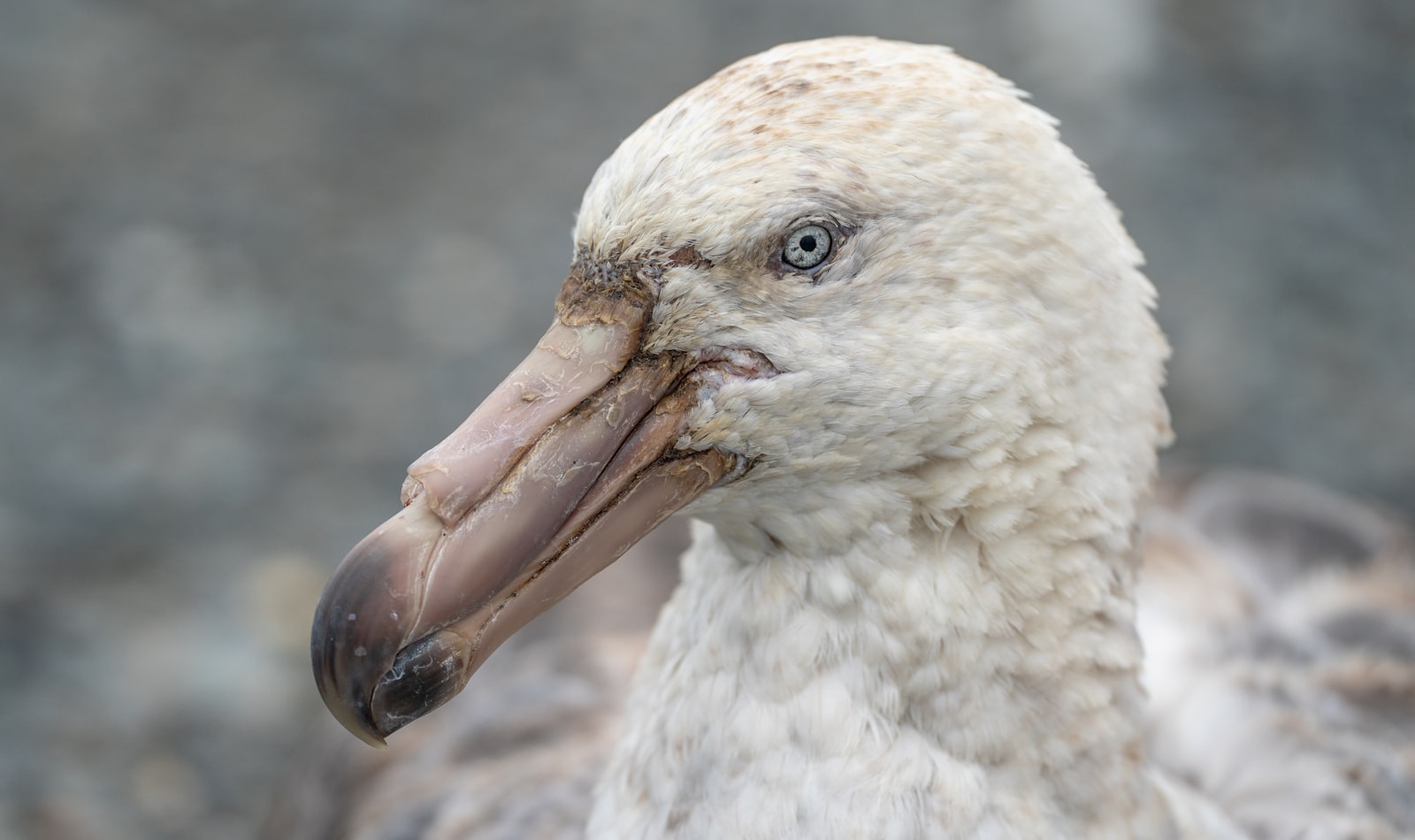
Southern Giant Petrel

A large seabird of the southern oceans, also called the Antarctic giant petrel, giant fulmar or simply the stinker. Its range overlaps broadly with the near-identical northern giant petrel, the two told apart chiefly by the colour of the bill-tip.

Wildlife

Sei Whale

The sei whale is the third-largest rorqual after the blue and fin whale, and one of the fastest cetaceans afloat, capable of short bursts near 50 km/h. It favours deep offshore water, so a sighting on the crossing south is a genuine bonus rather than a certainty.

Wildlife

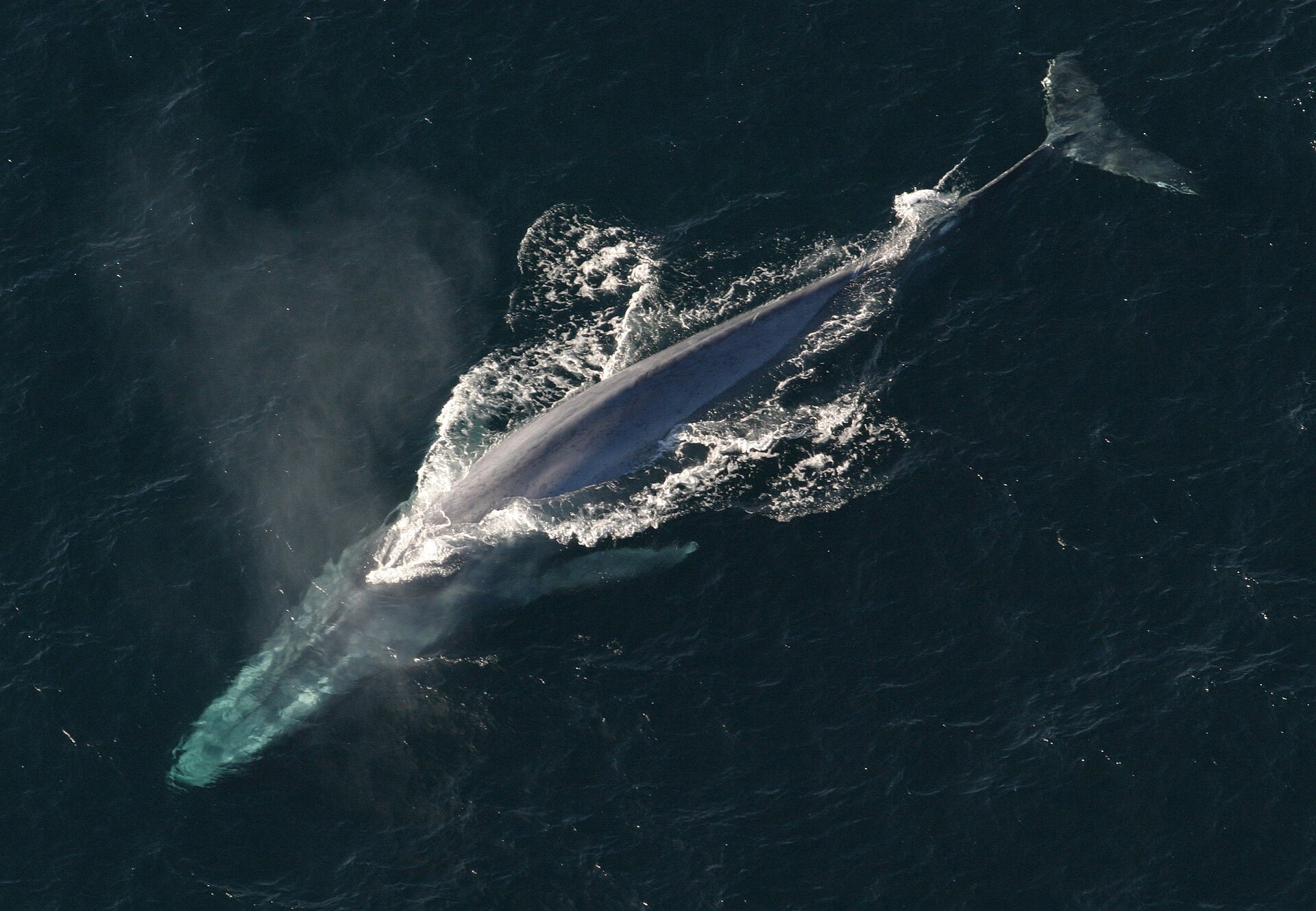
Blue Whale

The blue whale is the largest animal known to have existed, reaching up to 30 metres in length and 200 tonnes in weight. Sightings are rare but unmistakable, usually a distant blow and a long grey-blue back rolling at the surface.

Wildlife

Snowy Sheathbill

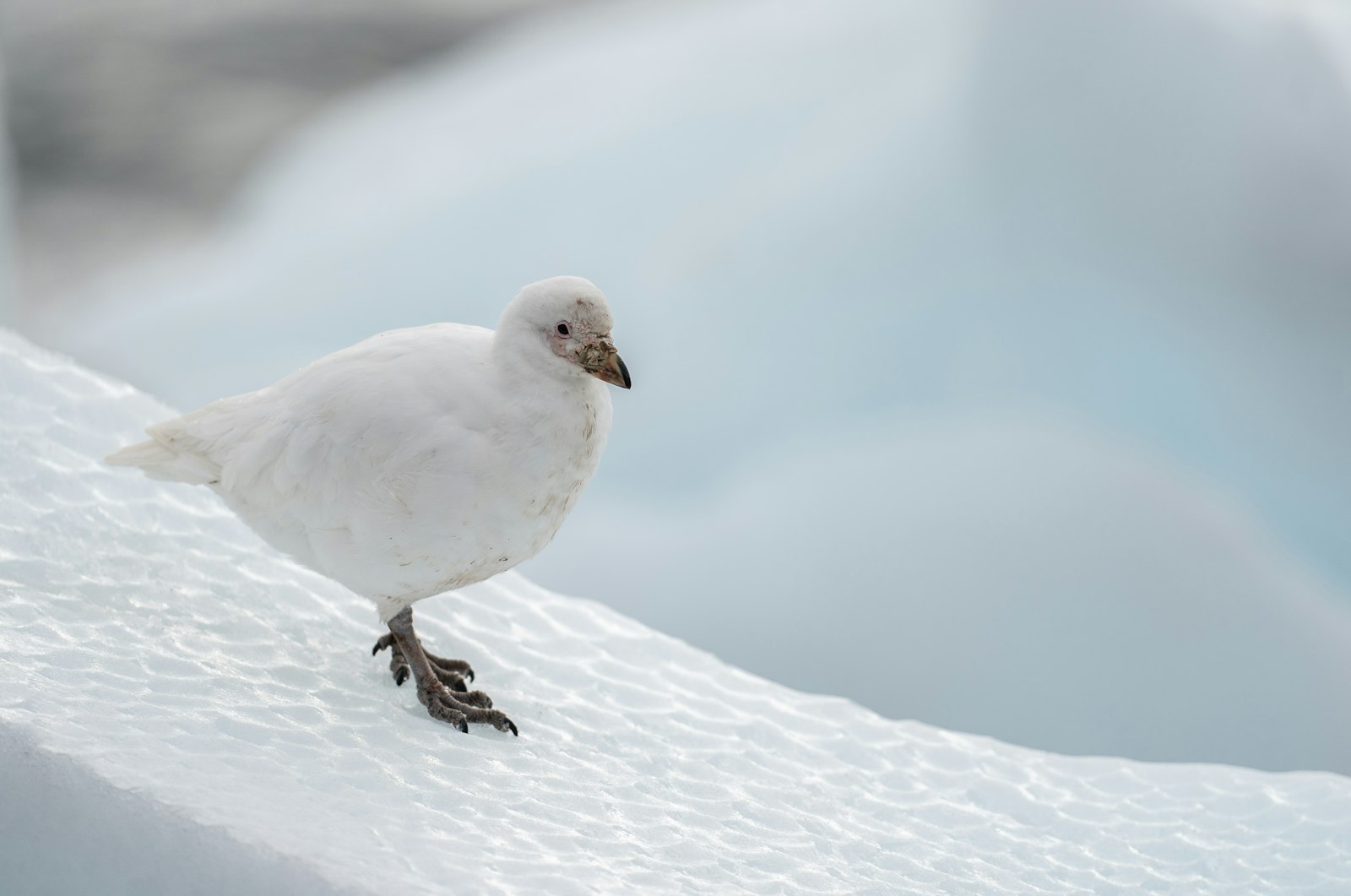
The snowy sheathbill is the only land bird native to the Antarctic continent, and one of just two sheathbill species in the world. Look down, not up: it spends its time walking the shoreline and rocks rather than flying.

Wildlife

Imperial Shag

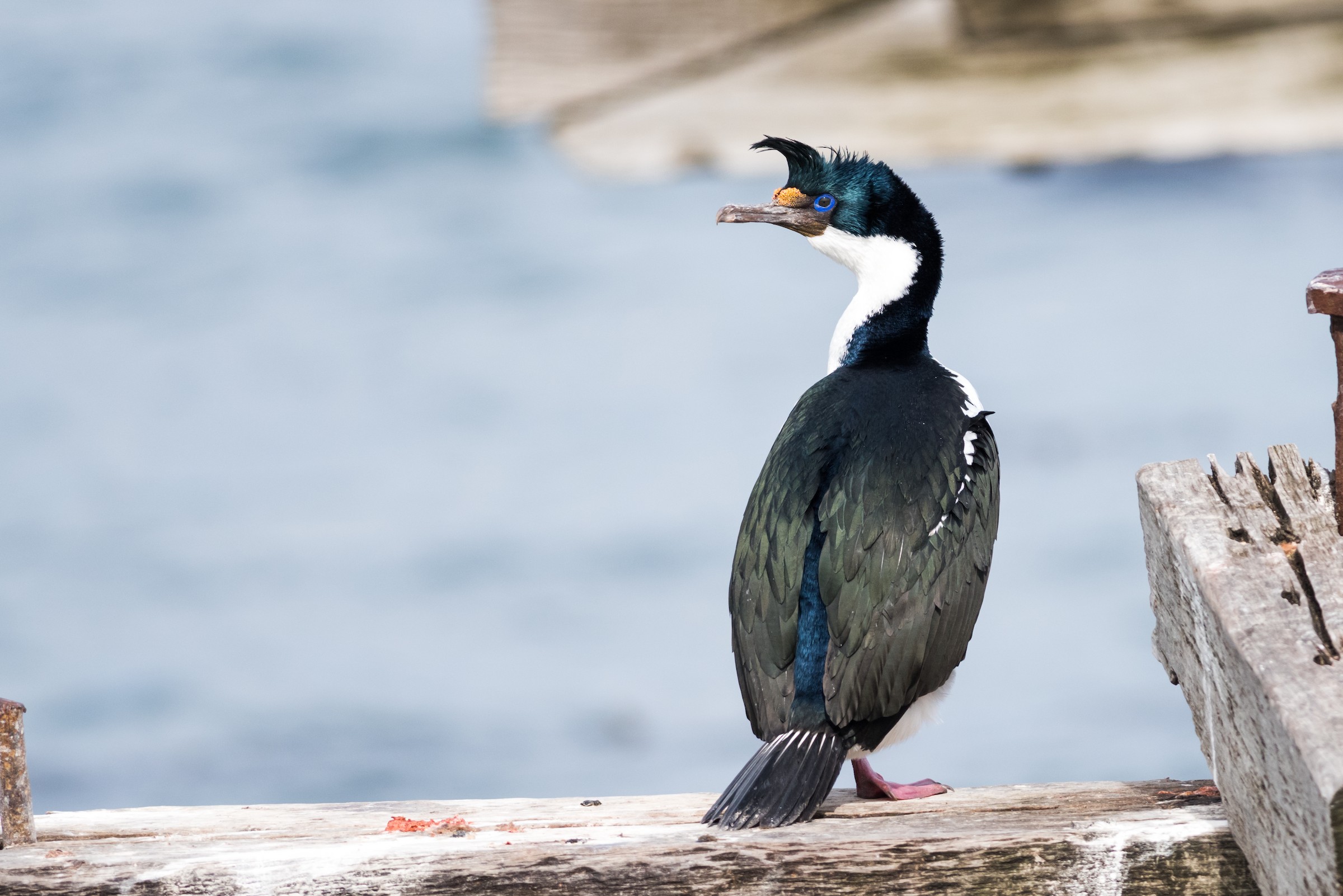
A black-and-white cormorant with a startling ring of blue skin around each eye, nesting in dense colonies on bare coastal rock. Look for it wherever cliffs meet water, often perched stiff-winged like a heraldic emblem.

Wildlife

Antarctic Prion

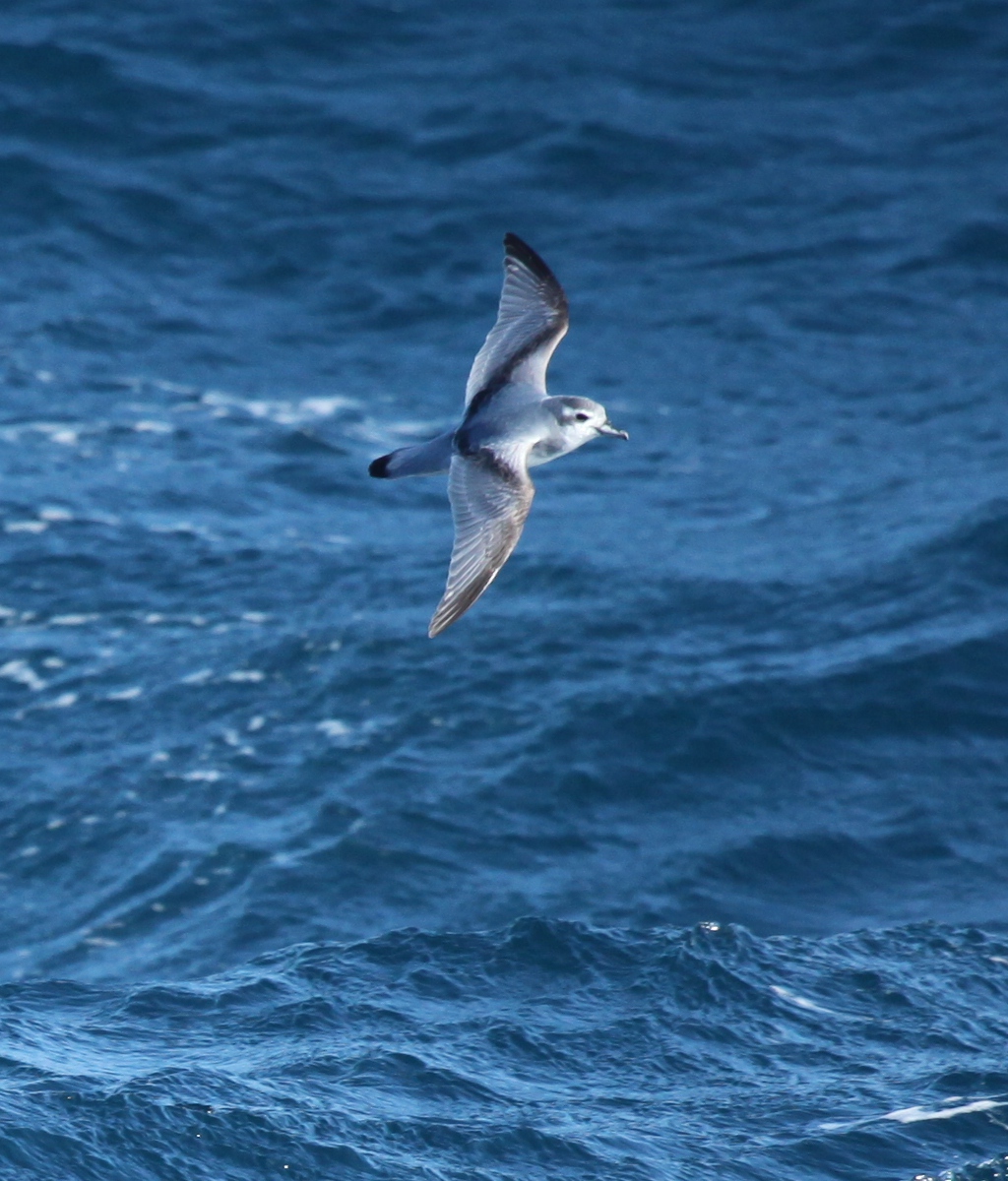
The Antarctic prion is the largest of the prions, a group of small Southern Ocean petrels sometimes called dove prions. Watch for loose flocks wheeling low over the swell as your ship crosses open water between landings.

Wildlife

Cape Petrel

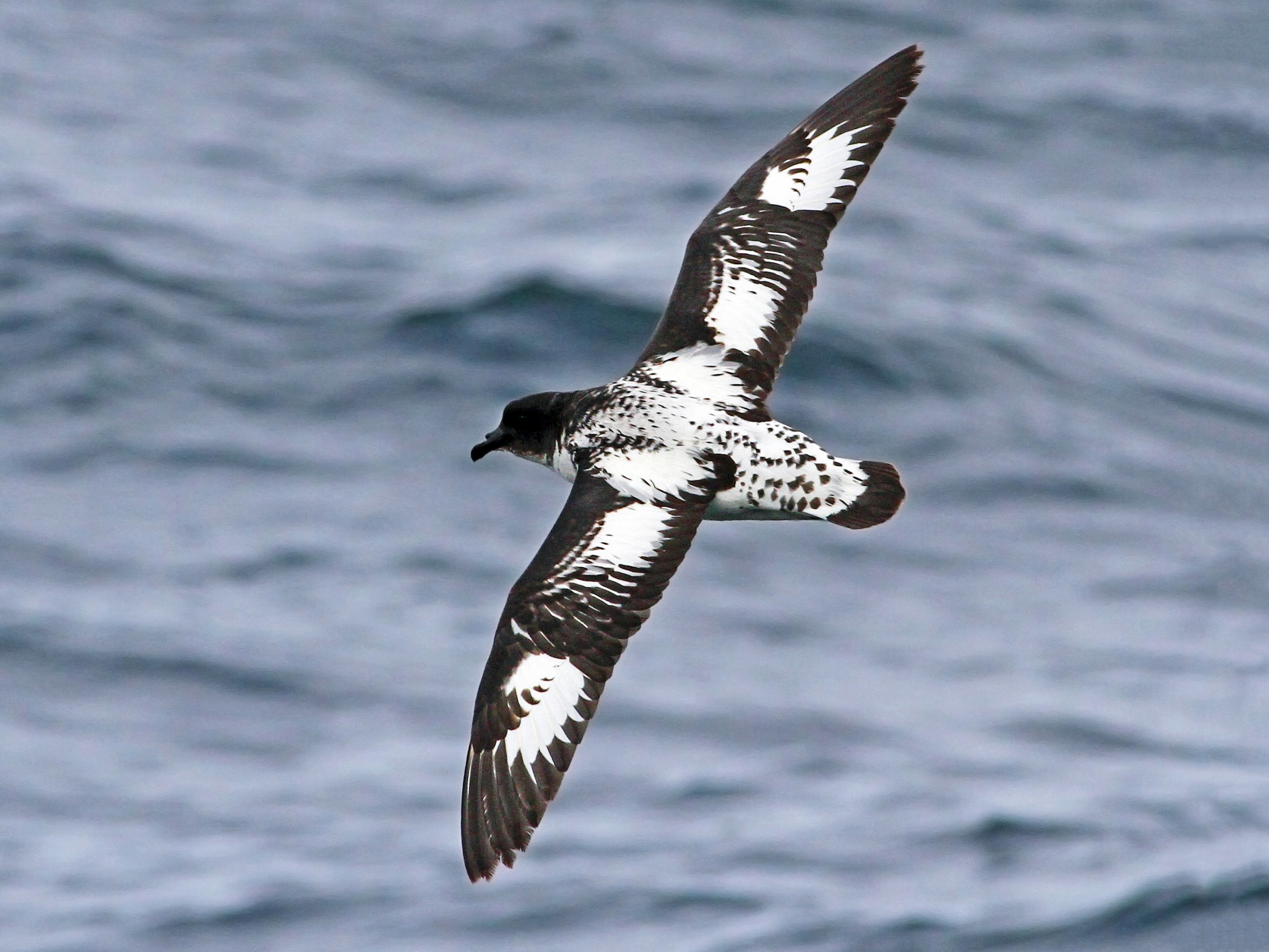
The pintado petrel, better known as the Cape petrel, is one of the most abundant seabirds of the Southern Ocean, with a population estimated at around two million. Travellers usually meet it long before they see land, tracking ships across open water.

Wildlife

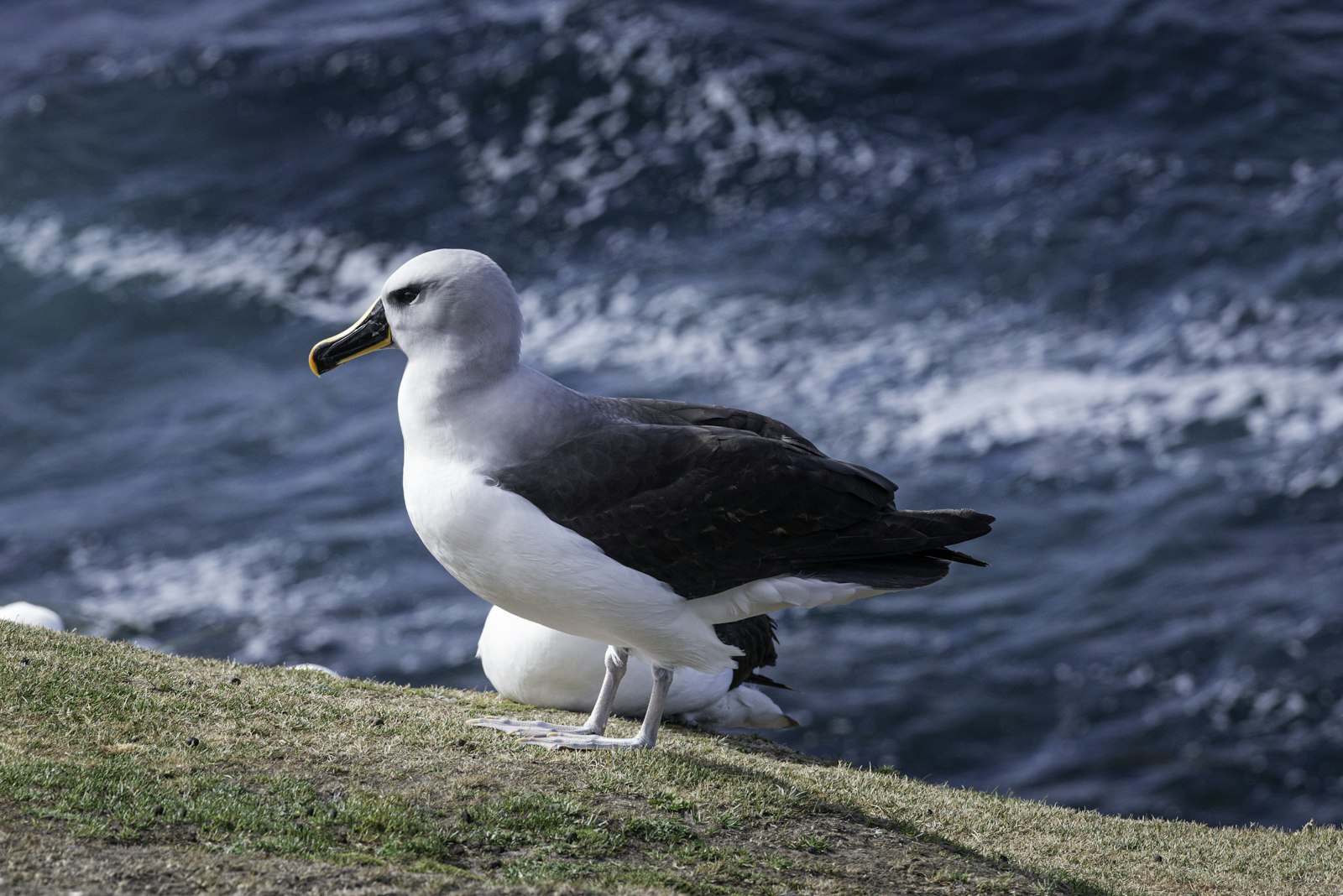
Grey-Headed Albatross

A large mollymawk with an ashy-grey head, throat and neck, ranging further south into the Southern Ocean than any other albatross of its kind. Look for it wheeling low over the wake in open water far from any coastline.

Compare all Antarctic departures across operators →